In mid-2025 CEPI welcomed its second cohort of Global South Fellows. The Fellowship Programme aims to build capacity for future global health leaders, enhance readiness for the 100 Days Mission in the Global South, and facilitate knowledge exchange through improved global collaboration, in support of CEPI’s vision for a pandemic-free future.
Now, approaching the end of the year-long fellowship, we caught up with Chukwuemeka Oguanuo—one of the Fellows embedded in CEPI’s Epidemiology and Data Science Department team—to discuss his experience.
Can you tell me a bit about yourself?
My name is Chukwuemeka Oguanuo, and my work cuts across health advocacy, communications, and partnerships, with a particular interest in how communities and stakeholders engage with health systems to improve health outcomes. Like many young Nigerians, my path into public health did not emerge directly from studying Microbiology, but from a lesson I learned while leading a malaria fundraising campaign on campus: people are more open to health interventions that respect what they value and the realities they face. That instinct has shaped my journey from crisis communication and pandemic preparedness at the Nigeria Centre for Disease Control and Prevention (NCDC)to health policy and advocacy at Nigeria Health Watch, to vaccine preparedness and community engagement as a CEPI Global South Fellow.
How does your work contribute to pandemic preparedness and response?
One of my biggest lessons from supporting Nigeria’s COVID-19 response and implementing the #TakeResponsibility campaign at the NCDC is how trust, perceived risk, and the way people processed uncertainty influenced whether communities adopted recommended public health interventions. Through my work at Nigeria Health Watch and the CEPI Global South Fellowship, I contribute by generating practical insights into how communities engage with health systems, research, and public health interventions, and how those insights can inform more effective communication, policies, and pandemic preparedness efforts.
Tell me about the project you're working on at CEPI.
I support community engagement for the CEPI-funded ENABLE study, the world’s largest research to better understand the burden of Lassa fever across Nigeria, Liberia, and Sierra Leone to inform vaccine development. One highlight so far has been organising the first structured cross-learning workshop that brought teams from all three countries into honest conversations about what built or threatened trust and community participation, to inform ENABLE’s next phase. I also support capacity building across sites and recently joined a delegation that assessed Bauchi’s readiness ahead of ENABLE’s expansion there.
What skills have you brought to this fellowship?
I have brought a different perspective to knowledge management and storytelling, particularly by helping shape conversations that connect the science, policy, and people who ultimately determine how community engagement succeeds in different contexts. My work involves documenting challenges, best practices, and community engagement lessons from the ENABLE study, to inform programme improvement and cross-learning across sites.
What have you learned as a Global South Fellow?
I now understand the vaccine development ecosystem better, particularly the ongoing interaction between science, health systems, and society. This fellowship has deepened my appreciation for why community-based participatory research approaches like ENABLE build trust and support strong recruitment and retention by treating communities as genuine partners rather than passive participants. Ultimately, local context is central to whether public health interventions succeed.
What do you hope to achieve by the end of your fellowship?
Africa is increasingly at the centre of the global vaccine ecosystem because of its rich biodiversity, growing scientific leadership, and manufacturing ambition. Experiences from COVID-19 and the ENABLE study show that trust and sustained community engagement are just as important as scientific progress in achieving impact. As momentum builds towards future Lassa fever vaccines, I hope to contribute practical lessons, tools, and frameworks that help preserve community engagement knowledge to support vaccine readiness and epidemic preparedness across Africa.
CEPI and World Bank Group partner to strengthen sustainable vaccine manufacturing in ASEAN
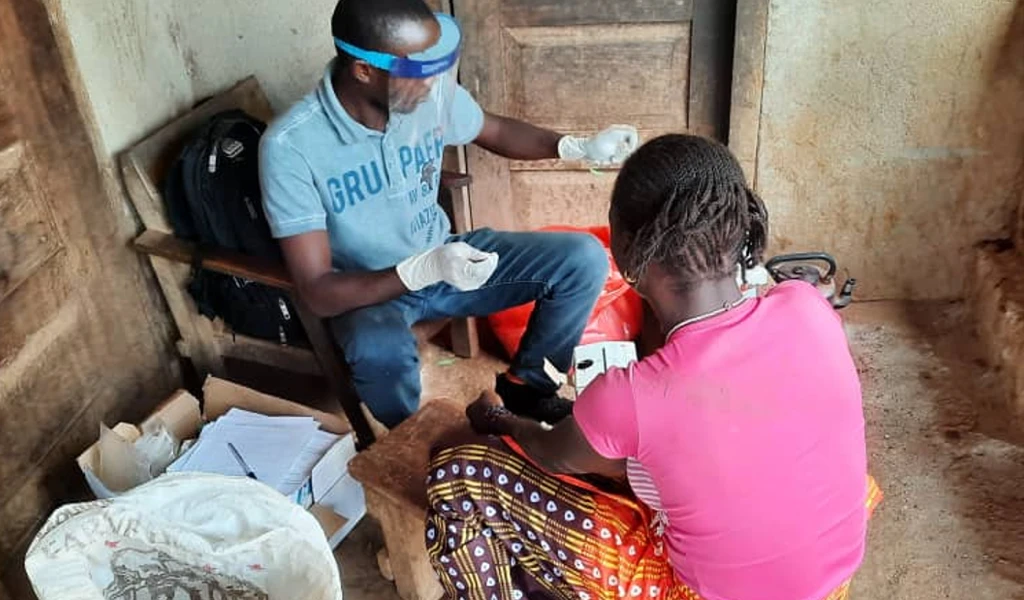
Tracking Lassa fever: Where are we up to?