In mid-2025 CEPI welcomed its second cohort of Global South Fellows. The Fellowship Programme aims to build capacity for future global health leaders, enhance readiness for the 100 Days Mission in the Global South, and facilitate knowledge exchange through improved global collaboration, in support of CEPI’s vision for a pandemic-free future.
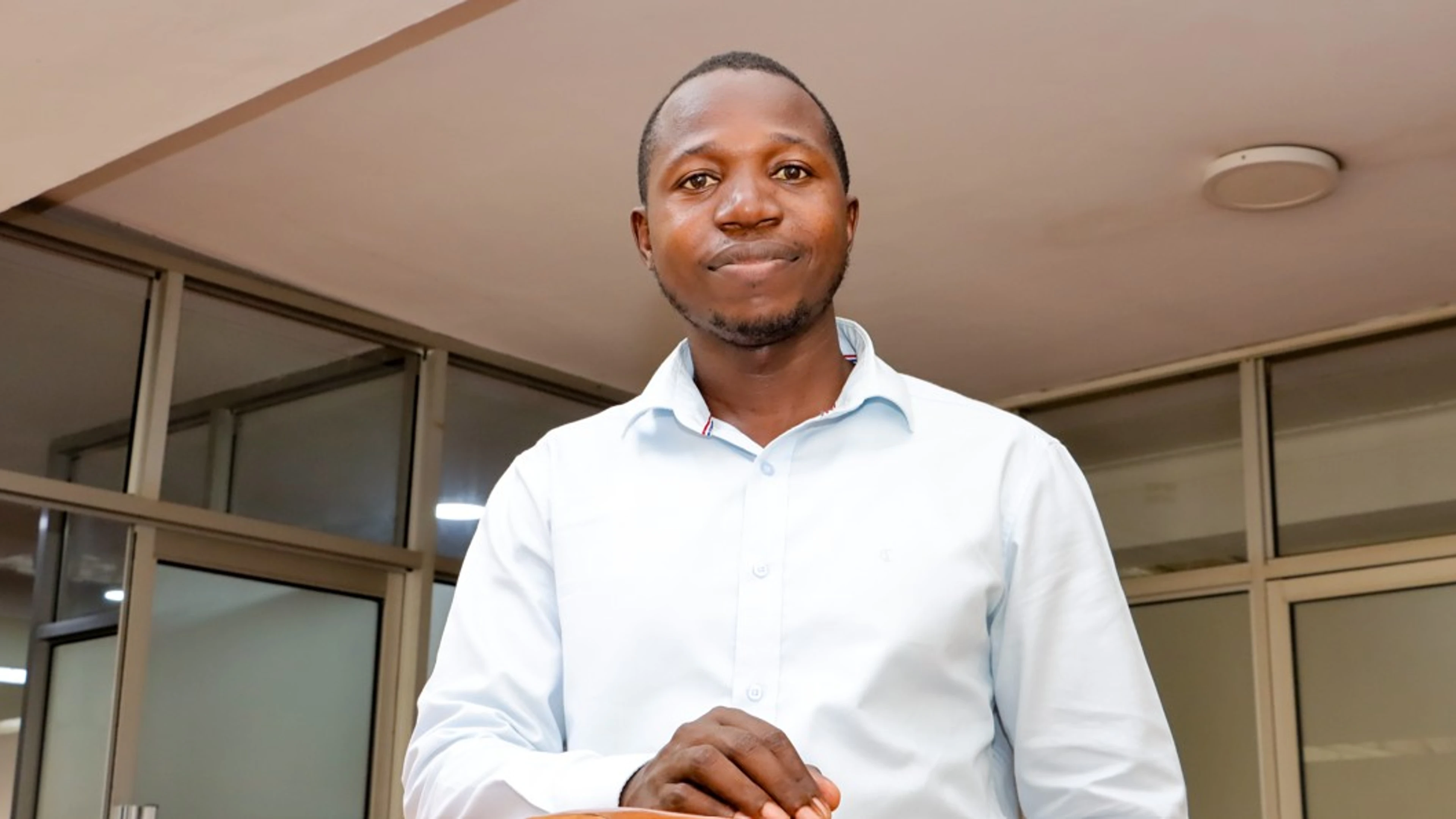
Now, halfway through the year-long fellowship, we caught up with Ronald Kakeeto—one of the Fellows embedded in CEPI’s Strategy Department—to discuss his experience.
Can you tell me a bit about yourself?
I am Ronald Kakeeto, a monitoring, evaluation and learning professional with more than eight years of experience across public health, education, resilience and livelihoods programmes in Sub-Saharan Africa. My background is in laboratory sciences, and I recently completed a Master of Public Health in Monitoring and Evaluation at Makerere University School of Public Health. Over the years, I have worked with organisations including USAID, PEPFAR, Living Goods and leading local institutions like Makerere University, supporting programme design, performance measurement, research, strategic planning and the strengthening of data systems for decision-making. Beyond technical expertise, I enjoy diagnosing complex problems and translating them into actionable insights for program teams and leadership. I value collaboration, capacity building, and continuous learning. Increasingly, I am interested in applying rigorous evaluation approaches to health systems strengthening and broader sustainable development initiatives, particularly those focused on community-based interventions.
How does your work help to contribute to pandemic preparedness and response?
My work contributes to pandemic preparedness and response by strengthening the systems that help countries and organisations detect risks early, respond effectively and learn from events. This includes improving data systems, building stronger performance and learning frameworks, and ensuring reliable information and feedback loops link decision‑makers with the people most affected. By supporting these foundations, I help ensure preparedness is not only focused on emergency response but built into routine systems and decision‑making.
I also helped integrate pandemic prevention, preparedness and response into Uganda’s National Integrated Community Led Monitoring Framework. This ensured that early warning, accountability and risk communication functions were not only national priorities but embedded within community systems. That experience strengthened my belief that preparedness must be both data driven and community anchored—an approach I continue to bring into my work at CEPI.
What skills have you been able to share with CEPI during your fellowship?
During my fellowship, I have been able to share several strengths with CEPI. One is the ability to bring structure and clarity to complex programmes. I have supported work to improve results frameworks, sharpen indicators and connect programme activities more clearly to broader goals. I have also brought analytical and systems thinking skills shaped by my public health and laboratory science background, as well as experience using data analysis and visualisation tools to turn information into practical insight. Another area where I have contributed is learning and knowledge capture. Developing structured ways to record lessons and case studies may seem simple, but it is essential if organisations want to retain knowledge and use it well.
What skills have you learned while being a Global South Fellow at CEPI?
It has deepened my understanding of how global health systems work and strengthened my ability to look beyond immediate outputs to the broader conditions that shape progress. I have gained exposure to new ways of thinking about institutional Monitoring, Evaluation and Learning Architecture and ecosystem capability. I have also improved my ability to turn technical analysis into clear, polished documents for wider audiences. That shift, from internal analysis to external communication, has been particularly valuable because it has strengthened my ability to present complex ideas in a way that is accessible and useful.
What do you hope to have achieved by the end of your fellowship?
By the end of the fellowship, I hope to have made a meaningful contribution to how CEPI uses evidence and learning to support its strategic goals. I would like to help ensure that key initiatives are underpinned by clear programme logic, credible measures of progress and practical ways of capturing and using learning. More broadly, I hope my work helps reinforce the idea that monitoring, evaluation and learning are not simply about reporting. At their best, they are tools for improving strategy, strengthening delivery and supporting long-term impact. That is the role I want to continue playing in the future: helping organisations use evidence with clarity, purpose and ambition.
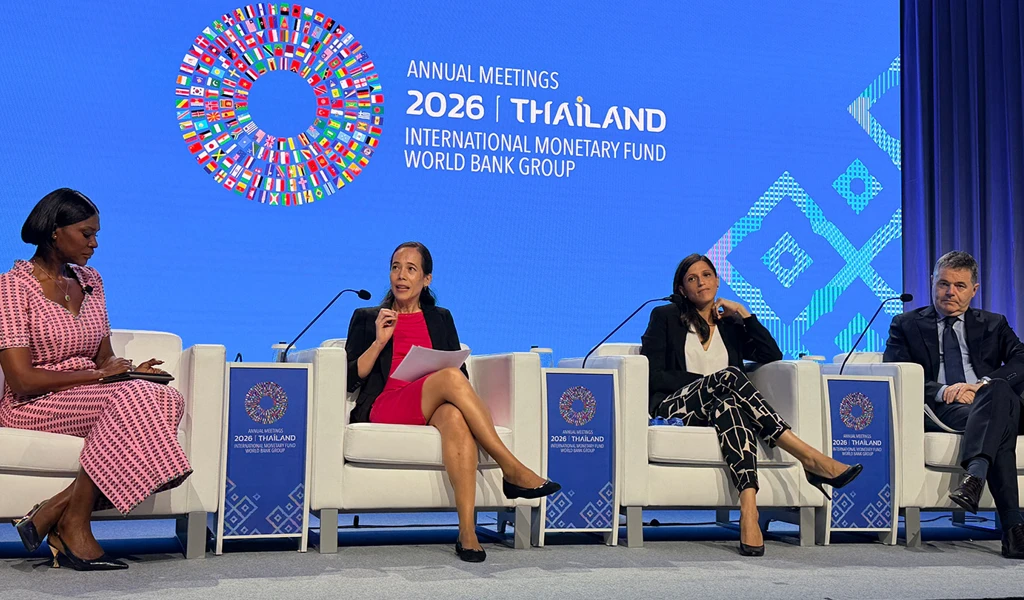
CEPI and World Bank Group partner to strengthen sustainable vaccine manufacturing in ASEAN
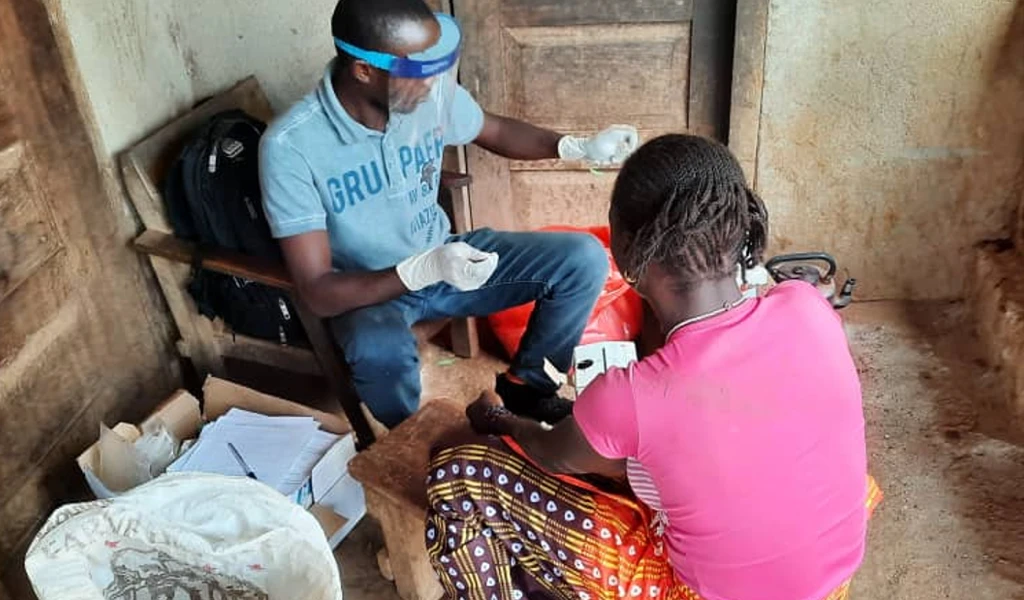
Tracking Lassa fever: Where are we up to?