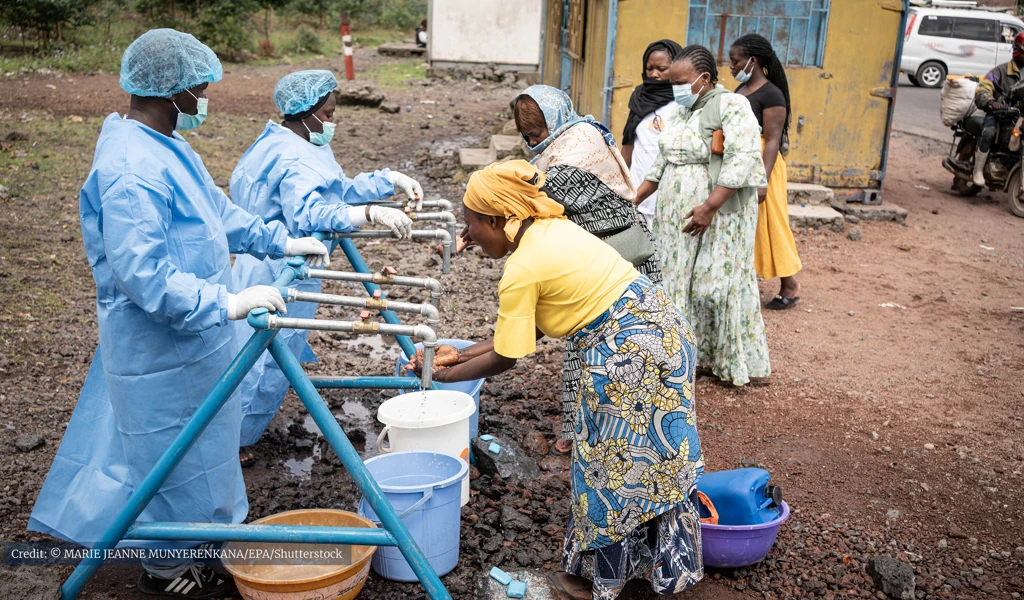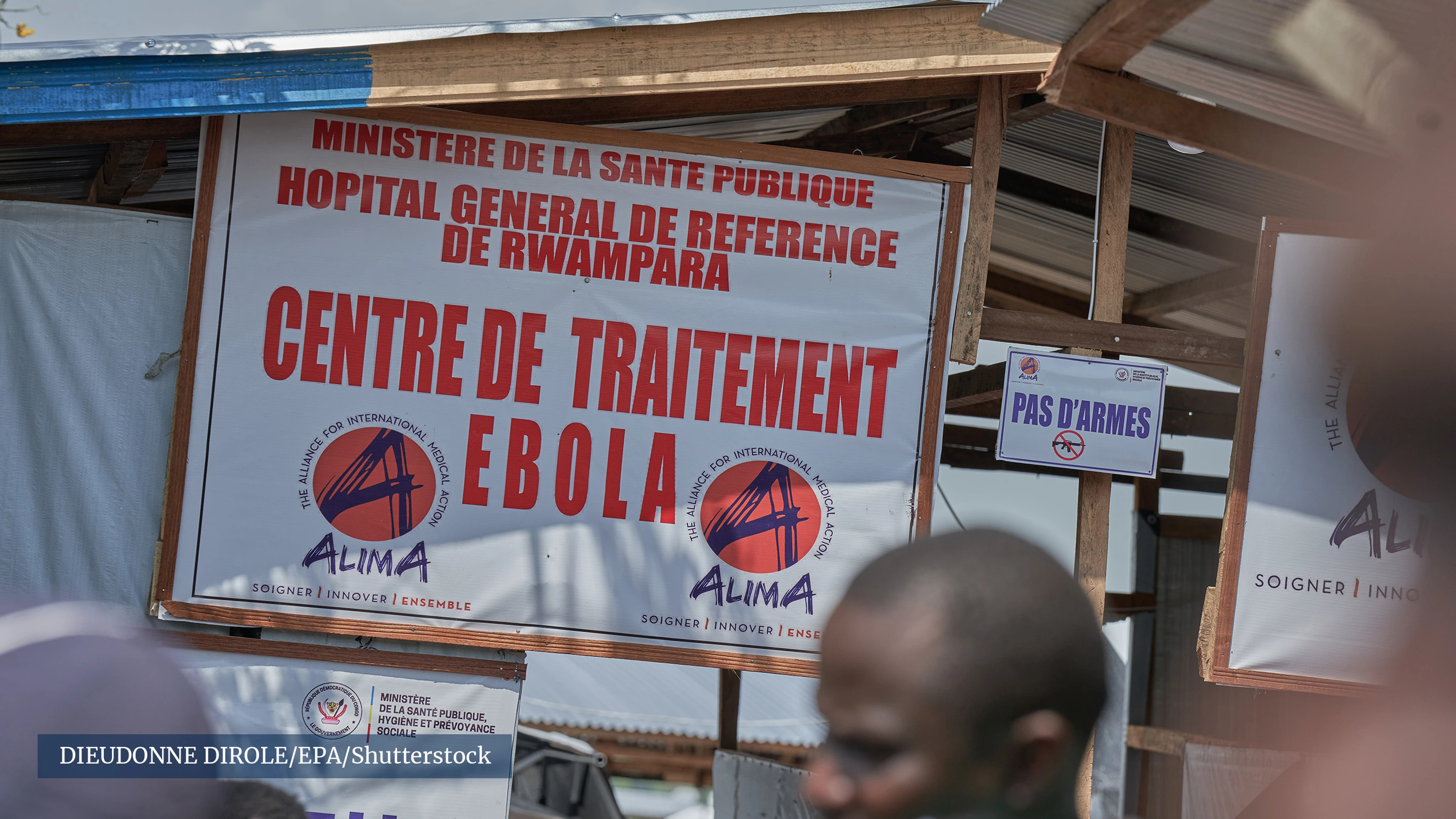
A deadly outbreak of Bundibugyo ebolavirus in the Democratic Republic of the Congo (DRC) and Uganda is spreading rapidly, threatening more lives and livelihoods in affected countries, neighbouring states and the wider region. With no licensed vaccines or medicines specifically targeting this strain of Ebola, the race is on to develop safe and effective countermeasures that can protect people as quickly as possible.
CEPI’s 100 Days Mission is a core element of its work to accelerate the development of vaccines against epidemic and pandemic threats. Our Chief Scientific Writer Kate Kelland asked Aurélia Nguyen, CEPI’s Deputy CEO, to explain how CEPI is supporting the global response to the Bundibugyo outbreak and how that work aligns with the 100 Days Mission.
Kate Kelland: Let’s start with what the 100 Days Mission is – and what it’s not.
Aurélia Nguyen: CEPI’s 100 Days Mission is a goal for the world to be able to develop safe, effective and accessible vaccines in as little as 100 days after a new pandemic threat is identified.
The Mission isn’t just about what happens once an outbreak begins. It’s about how prepared the world should be before a crisis erupts. In essence, the 100 Days Mission requires three things: technological readiness across high-threat groups of viruses, pre-agreed plans for rapid manufacturing and regulation, and operational readiness for outbreak response. Each of these is complex and expensive and requires sustained investment and global coordination.
The 100 Days Mission doesn’t start when an outbreak is declared an international emergency. It starts long before – in the years of scientific research, vaccine design, manufacturing preparation, regulatory work and partnership-building that make a rapid response possible.
KK: So will new vaccines against Bundibugyo ebolavirus be ready in 100 days?
AN: I think that’s unlikely, but that doesn’t mean the speed of the response hasn’t been impressive. In fact, it’s unprecedented.
CEPI and its partners are working hard to develop safe and effective new Bundibugyo vaccines as quickly as possible.
If things go smoothly, one or more of the vaccine candidates CEPI is supporting could enter human testing as early as July, with others likely to start clinical trials perhaps by the end of the year.
The reason this is possible at all is that we now have vaccine technologies, many of them validated through the response to the COVID-19 pandemic, that lend themselves to very rapid development. So we’re talking months rather than years for a new vaccine – which is a remarkable acceleration compared with historical norms.
What we are seeing with Bundibugyo is a demonstration of why the 100 Days Mission is not a hopeful nice-to-have aspiration but an absolute necessity if the world is to be able to defend itself against viral pandemic disease threats.
CEPI has set the 100 Days Mission as a goal for pandemic threats. And the speed of this Bundibugyo outbreak response will show how much progress we’ve made.
KK: Why can’t new Bundibugyo vaccines be developed in 100 days?
AN: The main reason is that the world still isn’t well enough prepared for most potential outbreaks. That matters because the 100 Days Mission depends on having a head start. To develop a pandemic-busting vaccine in as little as 100 days, the world needs viral family vaccine libraries, platform technologies, clinical trial networks, manufacturing processes and regulatory pathways poised and ready before outbreaks erupt. Some of these components are already in place and have been activated during this response, but not all of them are sufficiently ready. So in many ways, this outbreak illustrates both the progress the world has made with the 100 Days Mission and the distance it still needs to go.
Confounding the speed of the Bundibugyo response are the location of the outbreak and the nature of the disease itself. The affected region presents one of the most complex conflict ecosystems in the world, with more than 100 armed militia groups creating serious security, logistical and trust challenges that could impact clinical trials. We also don’t yet know how far and fast this outbreak will spread, and therefore how long it will take for trials to show whether the vaccines are effective in preventing or reducing severity of Bundibugyo disease.
There are positives, though. We know what we need to target and we now have vaccine constructs advancing rapidly towards trials. And things have already moved very fast, both in the DRC and affected region and at the global agency and technical level. Within hours of the outbreak declaration on May 15, we were already contacting our science networks around the world – including our groups of supported laboratories and our teams of manufacturers – to begin thinking about how we could work together to shape the response. And less than a week after the outbreak was declared, Dr Tedros, the World Health Organization’s Director General, brought all the key agencies together in Geneva to coordinate their response efforts with leaders in the affected countries. This is significant progress with real impact.
KK: Does this mean the 100 Days Mission is unrealistic? Unachievable?
AN: No, but it does show that the Mission isn’t yet fully operational for every threat. CEPI has set the 100 Days Mission as a goal for pandemic threats. And the speed of this Bundibugyo outbreak response will show how much progress we’ve made.
This shouldn’t be seen as a failure of the 100 Days Mission, but as a real-world stress test of it. The response shows that speed in an emergency depends on preparation before the emergency.
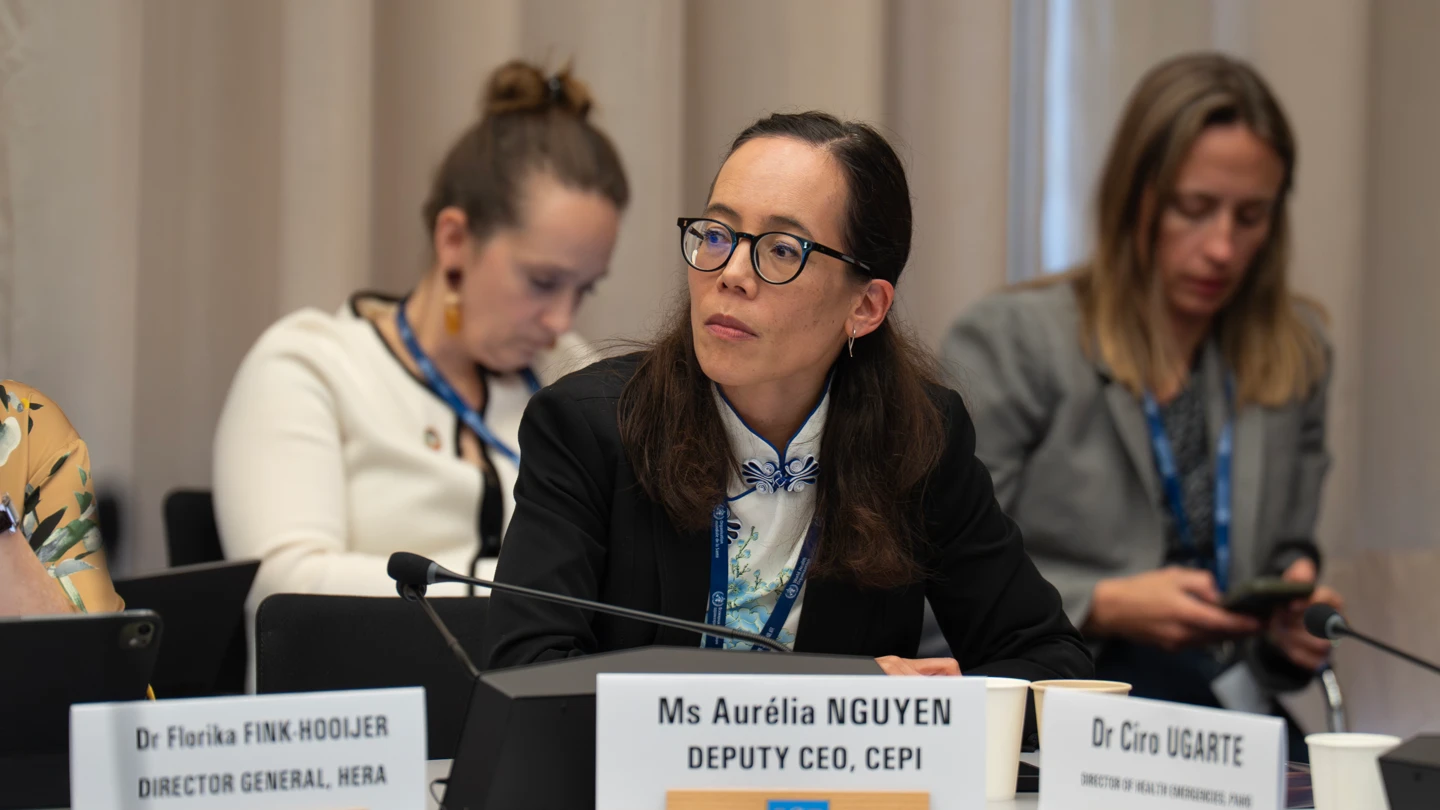
Aurélia Nguyen (Deputy CEO of CEPI) speaking at the World Health Assembly, May 2026
KK: What is CEPI doing right now to speed up development of Bundibugyo vaccines?
AN: CEPI is working around the clock with partners to accelerate vaccine development as much as possible. Within two weeks of the outbreak being declared an international emergency, CEPI had invested more than US$60 million in vaccine development projects across three platforms – and we’re seeking to add more to this portfolio. CEPI is also working with partners on the wider response system that makes vaccine development possible: manufacturing, regulation, clinical trials, financing and global coordination.
The good news is that the global health system didn’t wait to act. It’s already reshaping itself. New funding mechanisms such as the Pandemic Fund and the Gavi Zero-Day First Response Fund are being deployed. Africa CDC and the African Medicines Agency are working with the World Health Organization and multiple other international agencies, including CEPI, to support the nationally-led responses. A critical challenge now is to ensure the global health security system as a whole is coherent, responsive and capable of operating at the speed required.
KK: So what needs to change to make the 100 Days Mission possible next time
AN: The world needs to move from reacting to each outbreak after it begins to having mission-ready systems that make rapid response possible before a crisis strikes.
The current Bundibugyo outbreak started shortly after CEPI published its next five-year strategy – CEPI 3.0 – which describes the capabilities the world needs to build and sustain to make the 100 Days Mission a reality.
The core aim of the strategy is to help the world be better prepared for high-risk viral pathogens so that we can move even faster than we have for Bundibugyo. That means recognising that preparedness can’t be built in the middle of an emergency. The next outbreak – be it Bundibugyo or another dangerous viral threat – will test again how well the world is learning this lesson.
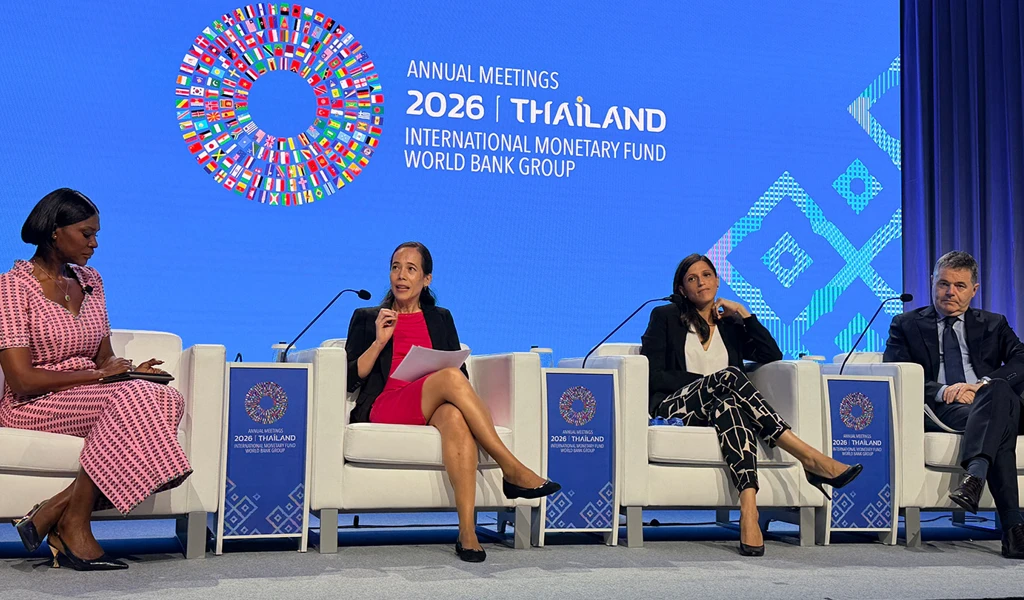
CEPI and World Bank Group partner to strengthen sustainable vaccine manufacturing in ASEAN
Tracking Lassa fever: Where are we up to?