CEPI and World Bank Group partner to strengthen sustainable vaccine manufacturing in ASEAN
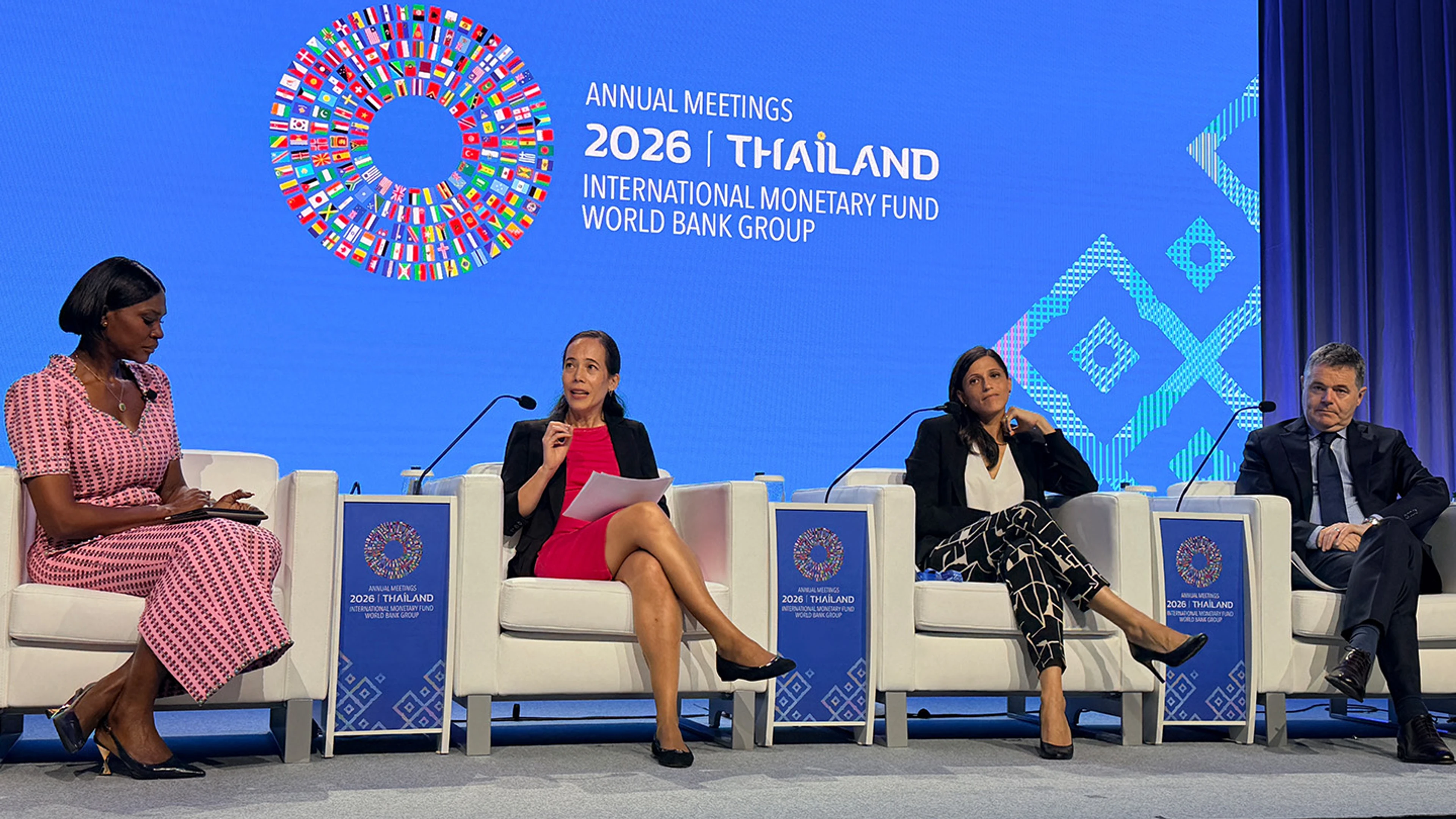
CEPI and the World Bank Group (WBG), together with AVPN and others, have launched a partnership to strengthen vaccine manufacturing across ASEAN, supporting the ASEAN Vaccine Security and Self-Reliance Initiative (AVSSR). The partnership—which is aligned with the objectives of the AVSSR, led by the National Vaccine Institute (NVI) of Thailand, and is supported by the Regionalized Vaccine Manufacturing Collaborative (RVMC) and partners—aims to expand regional manufacturing, strengthen supply chains, and improve access to vaccines for routine immunisation and future outbreaks.
ASEAN countries import the majority of the vaccines they need, leaving the region vulnerable to global supply disruptions, particularly during outbreaks. Expanding regional manufacturing can help ensure more reliable access to both routine and outbreak vaccines, enhance pandemic preparedness, reduce costs over time, and create skilled jobs.
Routine and outbreak manufacturing are largely planned and funded separately, yet capacity cannot be sustained if it is only called upon during an outbreak. The partnership will bring the two together, explains Dr Richard Hatchett, CEO of CEPI:
“When the next outbreak strikes, ASEAN countries should not be left waiting for vaccines from elsewhere. The capabilities needed to respond quickly must be built, tested and sustained before a crisis begins. That is why we are connecting manufacturing capacity for routine immunisation with the ability to pivot rapidly in an outbreak. Through this partnership, CEPI is supporting the ASEAN Vaccine Security and Self-Reliance Initiative to build a resilient regional vaccine ecosystem that is ready to respond when new threats emerge.”
To the partnership CEPI brings expertise in outbreak vaccines, platform readiness, technology transfer and process development, and up to US$20 million in catalytic funding to be implemented through a jointly agreed work plan. By combining public and private capital and reducing investment risks, the WBG and its partners aim to mobilise up to US$654 million in financing for regional vaccine manufacturing and to strengthen the systems needed to support it.
The partnership advances a key priority of CEPI 3.0, CEPI’s next five-year strategy: embedding rapid-response vaccine technologies in regional vaccine ecosystems. It will help build sustainable, multi-use manufacturing capacity that can switch quickly to outbreak production, supporting the 100 Days Mission, CEPI’s goal of making safe, effective and accessible vaccines available within 100 days of a pandemic threat being identified. It builds on CEPI’s investments in the region, including Vaccine Manufacturing Facility Network partnerships and the Regionalised Vaccine Manufacturing Collaborative’s work with AVSSR.
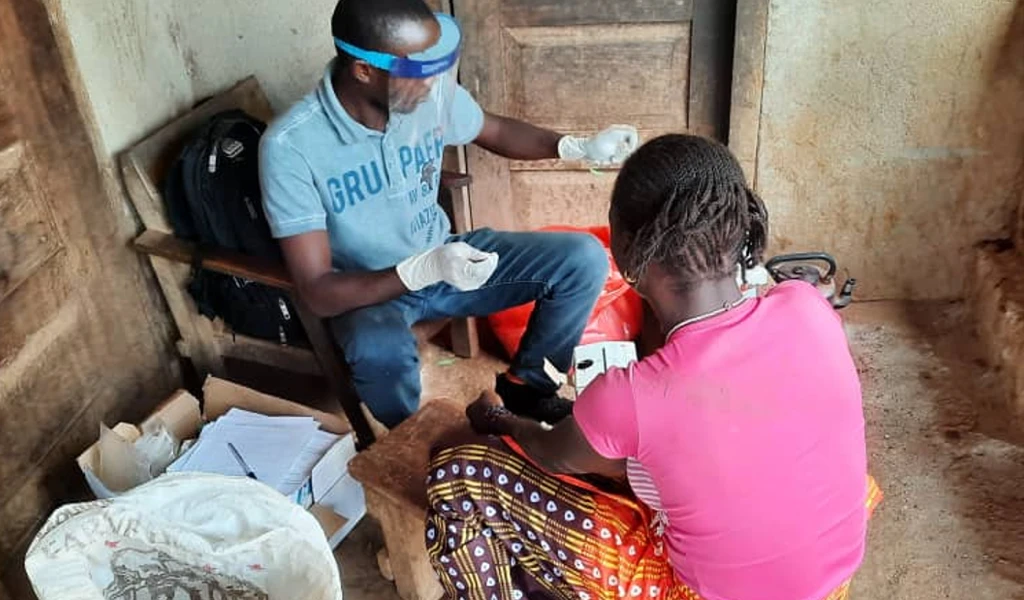
Tracking Lassa fever: Where are we up to?
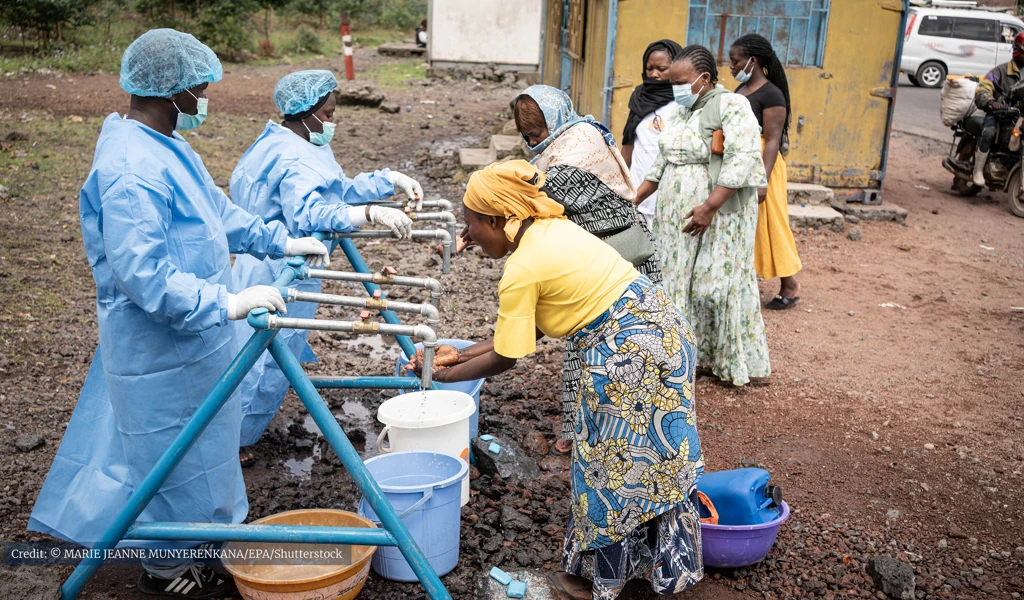
100 days into the Bundibugyo emergency, unprecedented speed is still not enough