100 days into the Bundibugyo emergency, unprecedented speed is still not enough
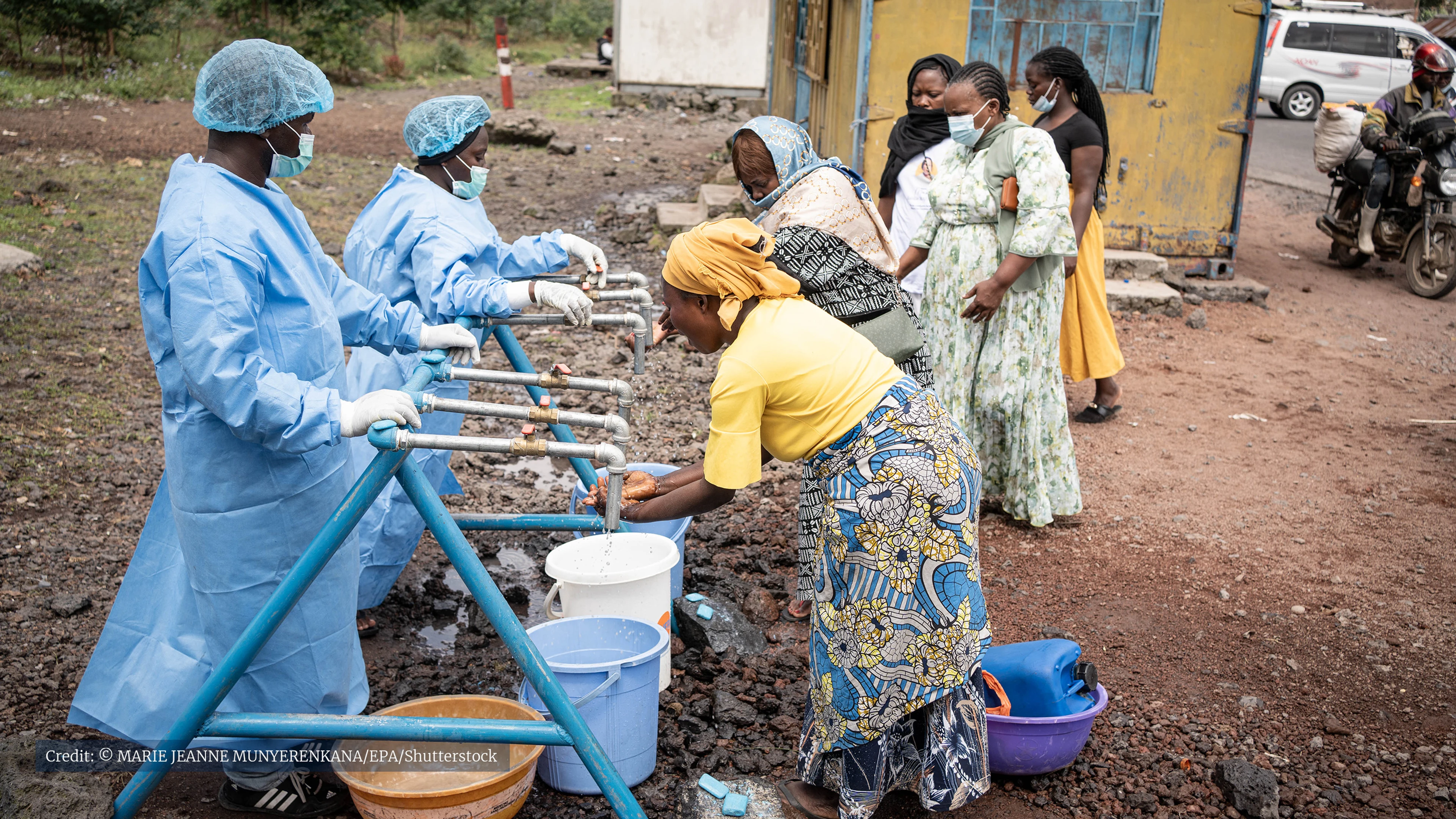
In the 100 days since the Bundibugyo ebolavirus outbreak was declared a regional and international health emergency, the global health response has moved at a pace unimaginable a decade ago. Yet the outbreak is far from contained. More people are getting infected and dying every day. It’s painful proof that in a deadly disease epidemic, even faster than ever is often not fast enough.
In many ways, the response to the Bundibugyo outbreak in the Democratic Republic of Congo has been unprecedented. Scientists, public health agencies, regulators, manufacturers and funders came together within days to plan a coordinated science-led countermeasure response to the outbreak. The first steps needed to start developing new vaccines were also taken within a few days of the outbreak being recognised.
The speed of the Bundibugyo countermeasure response is significantly faster than during the 2014-16 Ebola Zaire epidemic in West Africa. Once the current outbreak was recognised as being caused by Bundibugyo ebolavirus, it was only 12 days between initial cases being reported to WHO and the international emergency declaration, compared with 138 days during the West Africa epidemic. CEPI issued its first contracts for Bundibugyo vaccine development within two weeks. Researchers dosed the first participants in Phase 1 trials of experimental vaccines 80 days after the first Bundibugyo case was reported in the DRC. During the West African epidemic, that interval was more than twice as long even though early-stage vaccine development had already begun for Ebola Zaire.
These pace gains have not been enough to change the course of the Bundibugyo epidemic. But they have provided an early measure of how preparedness investments made before a crisis can dramatically reduce outbreak response timescales.
The stakes are high because infectious disease outbreaks do not wait while research, manufacturing and financing systems catch up. Population expansion and displacement, climate change, conflict and other environmental pressures are increasing the frequency and severity of infectious disease threats. In a fast-moving epidemic, each day of delay can mean more infections, more deaths and a more difficult route to containment.
The pace of the Bundibugyo response reflects the extent of scientific groundwork, institutional relationships and practical preparation established before the first cases emerged.
Within three days of the international emergency declaration, CEPI activated six pre-positioned networks covering immunology laboratories, preclinical models, epidemiology, manufacturing, clinical research and regulation. Those networks helped accelerate assay development, coordinate preclinical testing capacity, adapt clinical trial protocols, engage regulators and support at-risk manufacturing.
Within two weeks, CEPI had awarded funding to three long-standing partners to develop a portfolio of Bundibugyo vaccines, each using a different vaccine technology. And within 11 weeks, two of those vaccines had entered Phase 1 trials. The Serum Institute of India needed just 14 days to manufacture enough vaccine drug substance to begin the first trials of Oxford University’s ChAdOx Bundibugyo vaccine candidate. This speed is thanks in part to CEPI’s investments in the platforms and its well-established partnerships with each institution.
This is big progress. The world is not where it was 10 years ago. The idea that vaccine design and early development, manufacturing and initial human trials can be launched within weeks of the start of a deadly new outbreak is no longer just a hopeful theory. It’s a reality.
But the Bundibugyo outbreak’s persistent and deadly spread in the DRC also shows how far the world still has to go. Still, at the 100-day mark, there is no approved vaccine specifically against Bundibugyo virus. And on-the-ground surveillance, case reporting, contract tracing and other public health measures are far from robust enough to support any effective vaccine rollout. CEPI is pursuing a portfolio approach intended to get at least two new vaccines fully tested and approved for use as quickly as possible. But the organisation needs US$128 million in emergency funding to keep the programme on track. Without greater and faster funding, the late-stage trials needed to test the efficacy of these vaccines will face life-threatening delays.
This Bundibugyo response also highlights the complexity of the 100 Days Mission. Faster vaccine design alone is not enough if manufacturing capacity isn’t ready and available. Making candidate vaccine doses quickly is not enough if clinical trials can’t start quickly. Trials are not enough if regulatory, financing and access pathways aren’t moving at the same pace. An effective rapid response depends on the whole chain, from detection and scientific understanding to development, testing, approval, production and delivery.
That's why the world needs to build greater preparedness before day one, not scramble to try and scale it up when an outbreak has already begun. And we know what effective preparedness looks like: Greater scientific research into the most threatening viral families and into the speed of measuring how quickly an immune response can be assessed; more adaptable vaccine platforms; sustained regional research, development and manufacturing capacity; clinical trial sites that are ready to activate; regulatory pathways that can move quickly without compromising safety; financing that's available as soon as it's needed, not months after an emergency hits; and trust and cooperation between institutions, scientists, countries and communities.
CEPI’s involvement in the global response to the Bundibugyo outbreak has shown that the 100 Days Mission is an ambitious goal, but one that is within reach. The science and technology are there to move more rapidly than ever before in developing new vaccines for epidemic and pandemic disease threats. The issue now is for governments, funders and global health agencies to ramp up the preparedness investments and focus needed to make such speed the norm, not the exception.
- Read more in CEPI’s policy briefing document ‘100 days into the Bundibugyo response’
CEPI and World Bank Group partner to strengthen sustainable vaccine manufacturing in ASEAN
Tracking Lassa fever: Where are we up to?