Tracking Lassa fever: Where are we up to?
A long-term CEPI-funded study spanning West African multiple countries has provided unprecedented insights into the burden of Lassa fever disease across the region.
As we prepare for an expert summit to discuss the research findings in Nigeria, CEPI’s Director of Epidemiology and Data Science, Gabrielle Breugelmans, explains what we’ve learned and what’s next in our quest to develop the first-ever Lassa vaccine.
In 1987, US researchers working for Sierra Leone’s Peace Corps published a seminal paper examining how Lassa fever, a potentially deadly viral disease, was affecting local communities.
The pernicious illness was first identified after two nurses became sick in the town of Lassa in northeastern Nigeria in 1969. The virus, spread predominantly by an infected rodent species which in severe cases causes multi-organ failure, haemorrhaging and death, then travelled Westwards infecting countries like Benin, Liberia and Sierra Leone.
Analysing the data at the time, the experts estimated that between 100,000-300,000 people across West Africa could be infected every year. However, this is likely a large underestimate of today’s number of infections.
Many cases are thought to go under the radar due to difficulties in detecting asymptomatic cases, or symptoms mirroring diseases like malaria or typhoid leading to misdiagnoses and delayed treatments. In remote parts, people may live far away from health facilities so never get formally diagnosed. And with today’s changing climate and rapid population growth, there could be new areas where Lassa is striking.
This incomplete understanding of the disease burden complicates planning for future Lassa fever vaccines. Although no licensed vaccines currently exist, modelling studies estimate that a Lassa vaccine could save 3300 lives and avert up to $128 million in societal costs over a ten-year period. CEPI has therefore been at the forefront of developing potential shots, with investigational candidates developed by IAVI and the University of Oxford now being trialled in people. We are now also working alongside the Lassa fever Coalition, an instrumental initiative led by WAHO and West African Ministers of Health to accelerate the development and equitable introduction of Lassa fever vaccines.
To meet this goal, we need to pinpoint how common the disease is, where it hits hardest and who is most at risk.
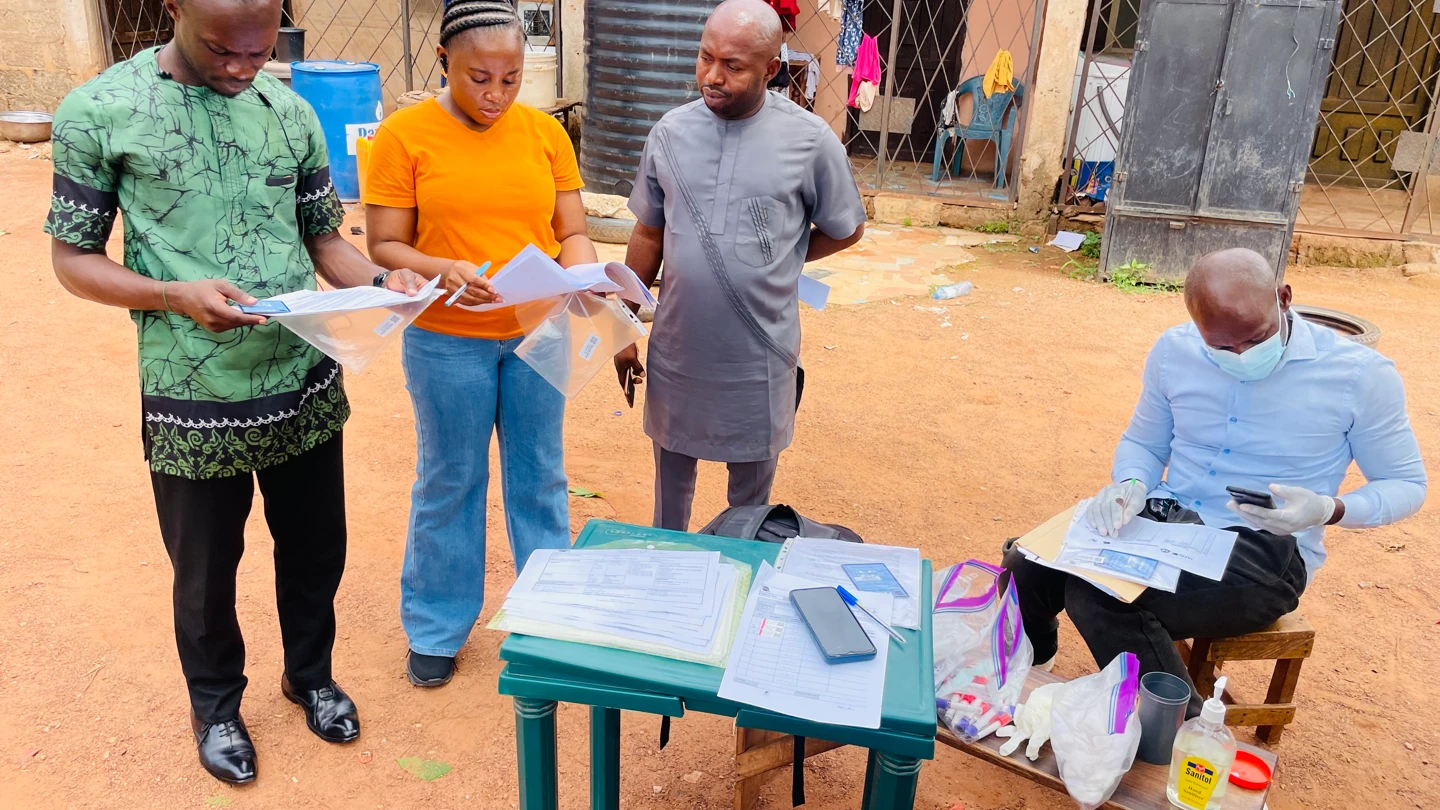
Over the past seven years, we’ve been leading the most comprehensive study of the disease ever carried out to provide this more up-to-date picture. By engaging communities in phone check‑ins, home visits and blood tests, over 29,000 participants across five affected countries - Benin, Guinea, Liberia, Nigeria and Sierra Leone - have taken part in the Enable research programme.
The study’s first results were published in July this year in The Lancet Global Health.
Assessing disease burden
Among the more than twenty thousand participants monitored between November 2020- November 2023, 39 tested positive for symptomatic Lassa fever, with five deaths. This suggests that where Enable was conducted, 1 person out of every 1000 became ill with Lassa fever.
The study also revealed substantial variation in cases across West Africa. Similar infection numbers were detected in Liberia and Nigeria’s Edo State, whereas fewer infections were reported in Benin during the study period. This could be indicative of some areas being more likely to be disease hotspots. It could also reflect differences in how communities were followed as part of the study.
However, while these updated estimates provide valuable insights, we still believe this to be an underestimation of today’s case count. During our analysis, we discovered that many participants who tested positive for Lassa fever experienced symptoms other than the classic hallmark of fever - like sore throat, headache and vomiting. Because our original testing approach listed fever as a must-have symptom, cases may have been missed.
An extended version of the study, Enable 1.5, has been underway since early 2025 to expand on these findings. The new research uses broader testing criteria to provide us with a more accurate incidence rate and insights into the variation of symptoms that people may present. This information will be crucial in determining priority groups for receiving a Lassa vaccine if and when it becomes licensed in the coming years.
With over two-thirds of those infected found to have malaria in the initial study, the expanded Enable 1.5 research is also looking at the extent of these co-morbidities. Infants under 2 have therefore been recruited into Enable 1.5 as the initial research found that children aged between 2 and 17 years were nearly twice as likely to experience symptomatic Lassa fever compared with adults.
What’s next
A summit is being held later this month in Nigeria, bringing together national and regional health and political leaders – including Ministers of Health and members of the Lassa fever Coalition – with scientific experts to review findings from the Enable 1.0 and 1.5 studies. The meeting aims to move beyond evidence generation and provide practical recommendations to inform public health policies and planning around Lassa fever surveillance, outbreak preparedness and vaccine testing and rollout plans.
The event will also focus on the programme’s benefits to the region beyond Lassa.
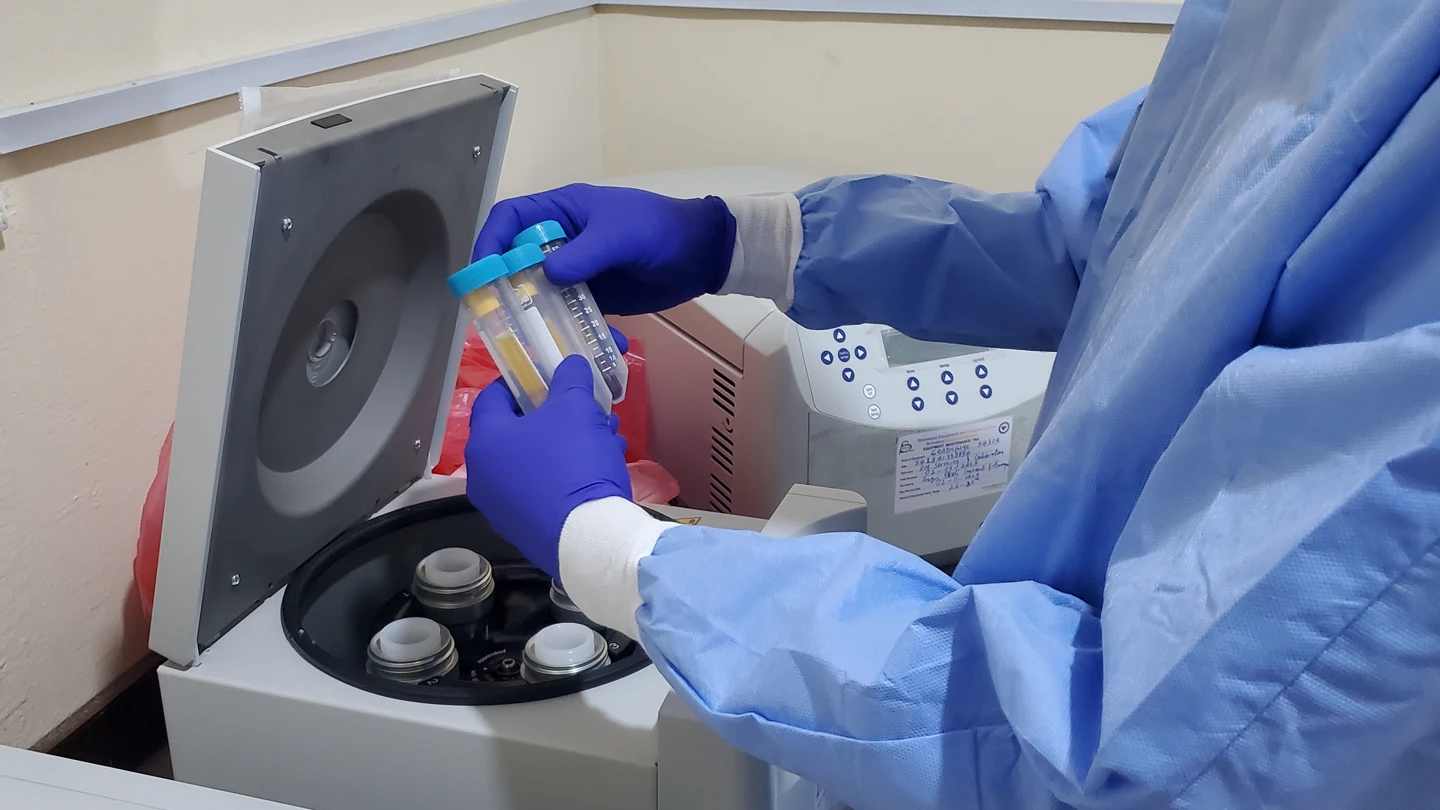
For example, while, historically, many Lassa-affected regions faced limitations in diagnostic capability, data systems and research tools, Enable has trained local workforces and improved the ways in which testing is conducted for other infectious diseases that may affect the region. Enable also worked with local leaders and community health workers supporting the recruitment of participants who took part in the research. By socially embedding the studies into the community, outreach teams built trust with locals which helped retain more participants than is typically seen in long-term cohort studies.
Four decades after researchers first warned of the extent of Lassa fever’s spread across West Africa, Enable is providing transformative insights into today’s disease burden. By combining rigorous science with deep community partnerships, we can design smarter vaccine trials, strengthen regional preparedness and ready communities for future vaccines against Lassa fever or other health threats.