When the next epidemic or pandemic threat emerges, speed is essential. But speed in vaccine development does not begin on the day an outbreak is declared. It depends on the networks, systems, people and partnerships that are built - and tested - long before they are needed.
Buried away in some of the world’s most sophisticated laboratories, scientists are already working tirelessly behind the scenes to develop specialised tools and disease replicas to evaluate the performance of vaccines under development against these threats.
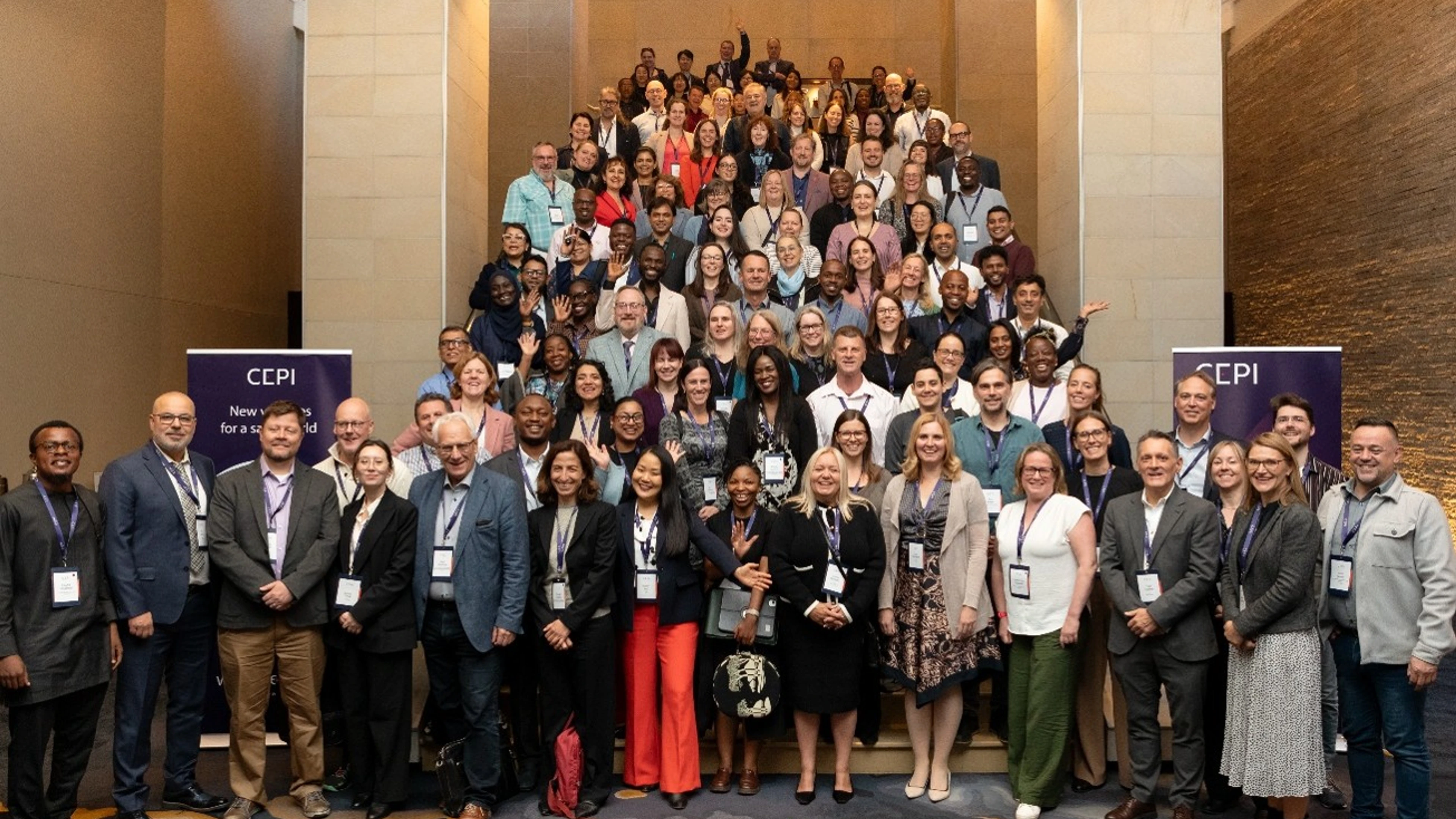
Earlier in June, these laboratory researchers - who form part of our Preclinical Model and Centralised Laboratory Networks - met up in Cape Town, South Africa, to discuss how they can strengthen collaboration and make the goal of developing a vaccine against a future viral threats in 100 days a reality.
We spoke to Valentina Bernasconi, Head of Laboratory Science, and Trevor Brasel, Head of Preclinical Models, about the pivotal role of these networks, the discussions in Cape Town and what’s next for these research groups.
Firstly, how does CEPI’s Preclinical Model Network advance vaccine testing?
Trevor: Before vaccines are tested in people, researchers run lab studies using preclinical models that mimic human disease to assess vaccine safety and how well the candidate could prevent infection.
CEPI’s Preclinical Model Network is a global group of labs that follow strict NC3Rs-aligned guidelines to develop models that best mirror how viruses could behave in humans.
These models are then made rapidly available to CEPI-supported developers so that they have important information to hand like the vaccine candidate’s safety, its ability to ward off infection, how long immunity lasts, the ideal route to deliver the vaccine and possible dosage levels. Given there is an overlap between how both the model and humans experience infection, vaccine developers and regulators can have confidence that the preclinical data closely matches how the vaccine candidate would perform in people.
How does CEPI’s Centralised Laboratory Network support this?
Valentina: CEPI’s Centralised Laboratory Network works directly alongside the Preclinical Model Network. It’s the world’s largest group of laboratories using harmonised methods and materials to standardise the evaluation of epidemic and pandemic vaccines.
The process can be likened to teaching multiple cooks housed in separate kitchens to follow the same recipe. Without help, chefs may buy ingredients from different shops and use different brands, resulting in a different meal being served each time. By asking everyone to follow the exact ingredient list and recipe we made sure the same meal – or, rather, vaccine assessment - was followed.
How exactly do our networks enable rapid testing of vaccines during an outbreak?
Trevor: Having ready-to-use models and testing processes in place in advance of an emerging disease outbreak means vaccine candidates can be tested as soon as an outbreak hits. In doing so, the network generates faster and more comparable data readouts for vaccine developers and regulators, making it quicker and easier to spot the most promising candidates.
Another important point is that these networks are purposely designed to be global. Distributed laboratories help avoid delays like shipping samples long distances. This allows vaccine candidates to be tested and advanced much faster during an outbreak.
Valentina: Speed of action was a recurring theme discussed at last week’s workshop. Attendees noted that when it comes to quickly and efficiently testing the performance of promising vaccine candidates, speed must be planned and not improvised. This means continuing to develop our pre-agreed processes, standardised testing and templates, and clear decision-making pathways ready to go when faced with a new disease threat.
Discussions at the meeting also surfaced bottlenecks that can slow outbreak response, like sample shipment delays, import constraints and uneven access to the tools needed for testing. These are points we’ll be working to address together to ensure we can respond as quickly as possible in the future.
Were there any other key themes to emerge from the meeting?
Trevor: There was a lot of discussion around biosecurity, which has become a central overarching component of CEPI’s work. At the meeting last week, we discussed how we’re strengthening biosecurity and biosafety across our laboratory networks by championing consistent global standards, norms and practices to help ensure that high-consequence pathogen work can be conducted responsibly, safely and at speed. Workshop attendees emphasised the importance of how we are building biosecurity into their systems now, from the outset, rather than treating it as an additional layer added during a crisis.
Valentina: Sustainability was also a major discussion point, with participants reflecting on the need for laboratory networks to be useful between outbreaks if they are to be ready during viral emergencies.
In addition to financing, attendees noted how sustainability also depends on partnerships, governance, scientific relevance, local ownership and integration with national and regional public health priorities. The Africa CDC Pathogen Genomics Initiative was presented as a key example showing how long-term investment can rapidly strengthen outbreak response capacity.
Outbreaks are increasing in size, frequency and impact. What’s next for these networks as we prepare for future epidemic and pandemic threats?
Valentina: CEPI’s networks are a core pillar of CEPI 3.0, our new plan to transform the world’s response to future epidemic and pandemic threats. We see these networks as the operational backbone that turns vaccine innovation into real-world impact.
Trevor: Over the next five years, priorities include exploring new technologies that could be deployed in the networks to advance vaccine testing. For example, we’re looking at organ-on-a-chip technologies that could both minimise the use of animals in research and give us unprecedented insights into the progression of an infectious disease.
We also plan to strengthen and expand the size of these networks - including efforts to ramp up vaccine testing work in Africa - so they are ready to act together and at pace to counter a future pandemic threat.
Valentina: The discussions in Cape Town demonstrated the strength and maturity of CEPI’s laboratory networks. To further build these capabilities, we also plan to run drills and simulations with our network members as part of CEPI 3.0. That way we can ensure we have a tried and tested global plan ready to respond within 100 days of the next outbreak.
CEPI and World Bank Group partner to strengthen sustainable vaccine manufacturing in ASEAN
Tracking Lassa fever: Where are we up to?