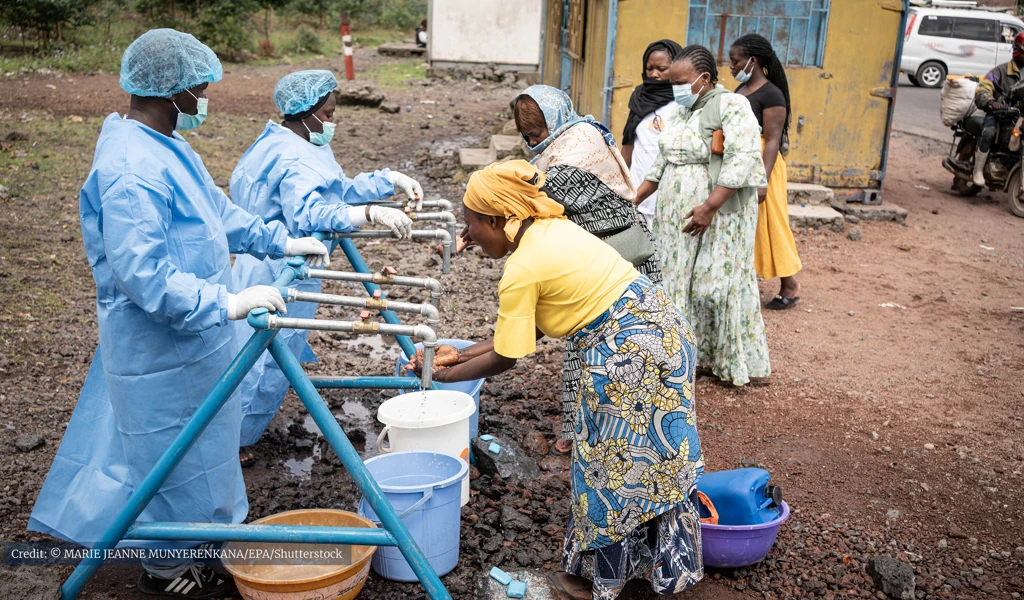
Dr Umar Ahmad: My Fellowship at CEPI
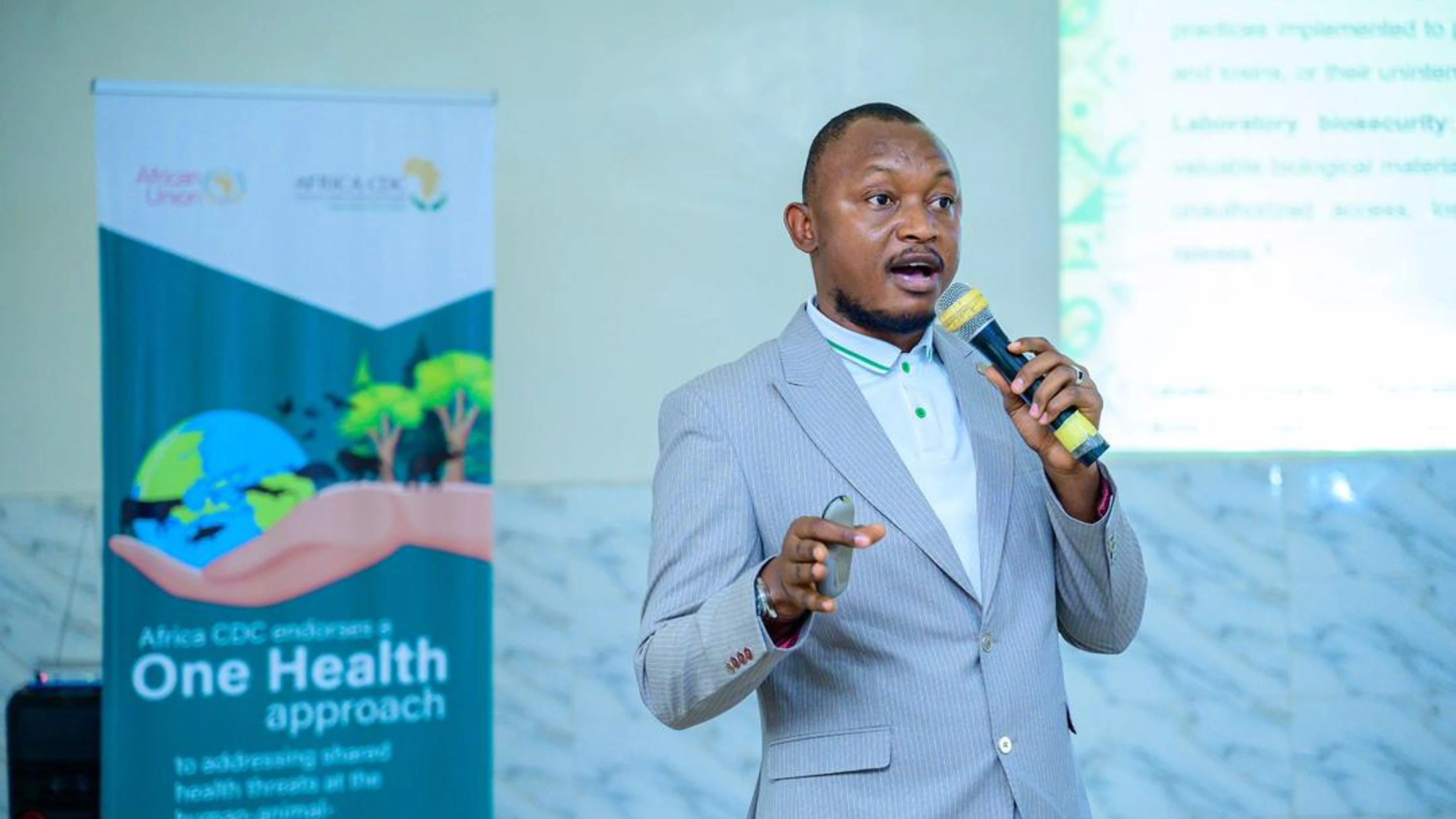
In mid-2025 CEPI welcomed its second cohort of Global South Fellows. The Fellowship Programme aims to build capacity for future global health leaders, enhance readiness for the 100 Days Mission in the Global South, and facilitate knowledge exchange through improved global collaboration, in support of CEPI’s vision for a pandemic-free future.
Now, halfway through the year-long fellowship, we caught up with Dr Umar Ahmad—one of the Fellows embedded in CEPI’s Laboratory Research and Innovations department—to discuss his experience.
Can you tell me a bit about yourself?
I am a genomics scientist and public health practitioner based in Nigeria, currently serving as a Global South Fellow within CEPI’s Laboratory Research and Innovations (LRI) Department. I also serve as founding Director of Linkages and International Partnerships at Sa’adu Zungur University (SAZU) and Senior Technical Officer for Pathogen Genomics at the Institute of Genomics, Africa CDC. My work spans molecular biology, cancer and infectious disease genomics, R&D, next-generation sequencing (NGS), bioinformatics, and outbreak response.
Over the years, I have helped strengthen genomic surveillance systems across Africa, building sequencing and bioinformatics capacity for infectious disease detection and response. I am also passionate about open science and equitable access to scientific knowledge, having founded the Open Science Community Nigeria and BioSeq, a bioinformatics training and consulting platform.
How does your work help to contribute to pandemic preparedness and response?
My work strengthens laboratory and genomic systems for early detection, characterisation, and monitoring of emerging pathogens. At Africa CDC, I coordinate genomic surveillance efforts, supporting laboratories across the continent to generate, analyse and interpret sequencing data during outbreaks. This genomic intelligence helps inform risk assessment, transmission tracking, and public health decision-making.
At CEPI, I focus on sustainable laboratory research networks—preserving expertise, infrastructure, and collaboration beyond emergencies. While at SAZU, I teach genomics and bioinformatics, equipping the next generation of scientists with practical skills in sequencing, data analysis, and molecular epidemiology.
Through these roles, I support a continuum of preparedness: strengthening current systems, ensuring sustainability, and training future leaders.
Tell me about the project you’re working on at CEPI
My project focuses on developing a sustainability plan for CEPI’s Centralized Laboratory Network and Pre-clinical Model Network from a Global South laboratory perspective. These networks play a pivotal role in supporting vaccine development through standardised immunological assays and preclinical animal model studies.
The project involves consultations with CEPI teams, network laboratories, and external stakeholders to identify key barriers and enablers to long-term sustainability. Using qualitative interviews and thematic analysis, I aim to generate evidence-based recommendations on governance models, funding diversification, Global South participation, capacity strengthening, and alignment with CEPI’s long-term R&D vision.
Ultimately, the goal is to ensure that these networks remain scientifically robust, financially resilient, and globally representative.
What skills have you been able to share with CEPI during your fellowship?
I’ve contributed insights about pathogen genomics implementation across diverse African contexts, particularly on how laboratories operate in resource-constrained settings. This has helped inform sustainability discussions from a practical, systems-level perspective.
I have also contributed my experience in coordinating multi-country laboratory networks, engaging stakeholders across regions, and translating technical findings into strategic recommendations, particularly around open science and equitable Global South participation.
What skills have you learned while being a Global South Fellow at CEPI?
The fellowship has broadened my understanding of how a global vaccine R&D organisation operates. I have learned how CEPI’s different departments—R&D, Strategy, Preparedness and Response, Policy, Business Development, Clinical Research Preparedness Network, Vaccine Management Facilities Network, Regulatory and Quality Network, Legal, and Partnerships—collaborate to advance vaccine innovation and preparedness goals.
I‘ve also strengthened my skills in strategic planning, stakeholder consultation, and policy-oriented research, learning to frame technical laboratory issues within broader financing, governance, and global health diplomacy contexts. This cross-functional exposure has been invaluable for my growth as a global health leader.
What do you hope to have achieved by the end of your fellowship?
I hope to have delivered a comprehensive sustainability framework that meaningfully informs CEPI’s long-term strategy for its laboratory networks. I aim to ensure that Global South laboratories are positioned not only as implementation partners but as strategic leaders within the global vaccine R&D ecosystem.
More broadly, I also hope the fellowship further strengthens relations between CEPI, SAZU, Africa CDC, and regional laboratory systems, fostering deeper collaboration and shared ownership in pandemic preparedness.
If we can embed sustainability, equity, and scientific excellence into these networks, we will be better prepared for the next global health emergency.
CEPI and World Bank Group partner to strengthen sustainable vaccine manufacturing in ASEAN
Tracking Lassa fever: Where are we up to?