By Andrew Hebbeler (Director of Biosecurity, CEPI), Elizabeth Cameron (Senior Advisor & Professor of the Practice, Brown Pandemic Center, Brown University School of Public Health), and Sana Zakaria (Director, Emerging Technology & Resilience, RAND EUROPE)
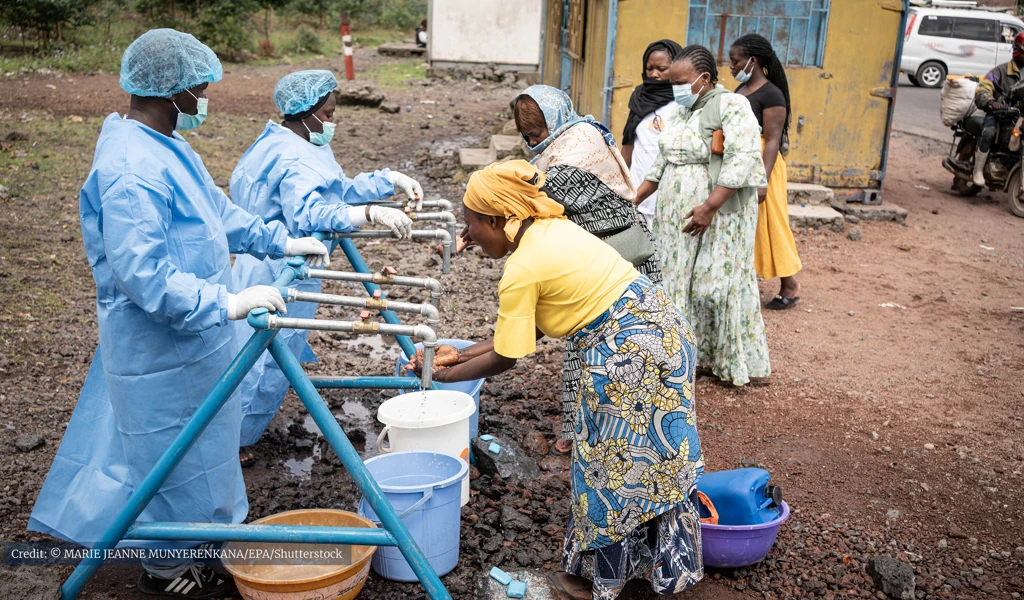
NATO Leaders are gathering in Ankara this week to discuss the security challenges facing the world. While they meet, the Democratic Republic of the Congo (DRC) and Uganda are battling what has already become the third-largest Ebola outbreak ever recorded. The affected areas of the DRC face a profoundly unstable security situation, further complicating the response. This is more than just a humanitarian crisis - it is a stark reminder of the risks that fast-moving biological threats pose to regional stability and global security and resilience.
Whether emerging naturally, accidentally, or deliberately, infectious disease outbreaks stress the same systems and require similar responses. The world is entering an era of increased biological risk on all three fronts.
Natural threats are accelerating, driven by factors like climate change, deforestation and urbanisation. The risk of an accidental event is rising as labs proliferate around the world without commensurate resources for biosecurity and biosafety oversight. And as technology evolves and conflict heightens, so does the risk of the deliberate misuse of biology to cause harm.
What unifies these threats is that, regardless of their origin, they endanger civilian and military health and undermine operational resilience, posing an asymmetric risk to defence readiness with the potential to destabilise societies. The defence sector has both a major stake and vital contribution to make; epidemic and pandemic threats are a matter of national, regional and international security. The evolving risks demand strengthened collaboration across the health and defence communities to bring their unique expertise and resources to bear, to prepare faster and more effectively.
The 100 Days Mission...is a paradigm shift from the world’s previous priority pathogen driven approach (where health and defence goals may have diverged) and opens news, practical avenues for collaboration.
That’s why, at the Global Health Security Conference (June 2026, Malaysia), senior defence and health leaders from Asia, Europe, Africa, and North America participated in The 100 Days Mission Under Pressure, a tabletop exercise convened by CEPI, RAND, and the Brown Pandemic Center. It was unique in its focus: identifying key defence and health capabilities to support the development of medical countermeasures in advance of a biological crisis. Its purpose was to explore where alignment exists, where gaps remain, and how best to drive cooperation.
Participants worked through a simulated outbreak involving a novel pathogen of unknown origin emerging on both a docked naval vessel and at a large music festival in a port city. The exercise focussed on achieving the 100 Days Mission - a bold goal embraced by the G7, G20 and global leaders to develop vaccines and other medical countermeasures within 100 days of identifying an epidemic or pandemic threat. This could potentially stop an outbreak in its tracks before it becomes a pandemic. Recent modelling suggests that had COVID-19 vaccines been ready in 100 days, over eight million lives might have been saved.
For the defence leaders in the room, the benefits to achieving this mission were clear: strengthening operational readiness and resilience; enhancing society’s collective capacity to prevent, deter and respond to the use of biological weapons – including engineered pathogens; and protecting the health of forces and civilians alike.
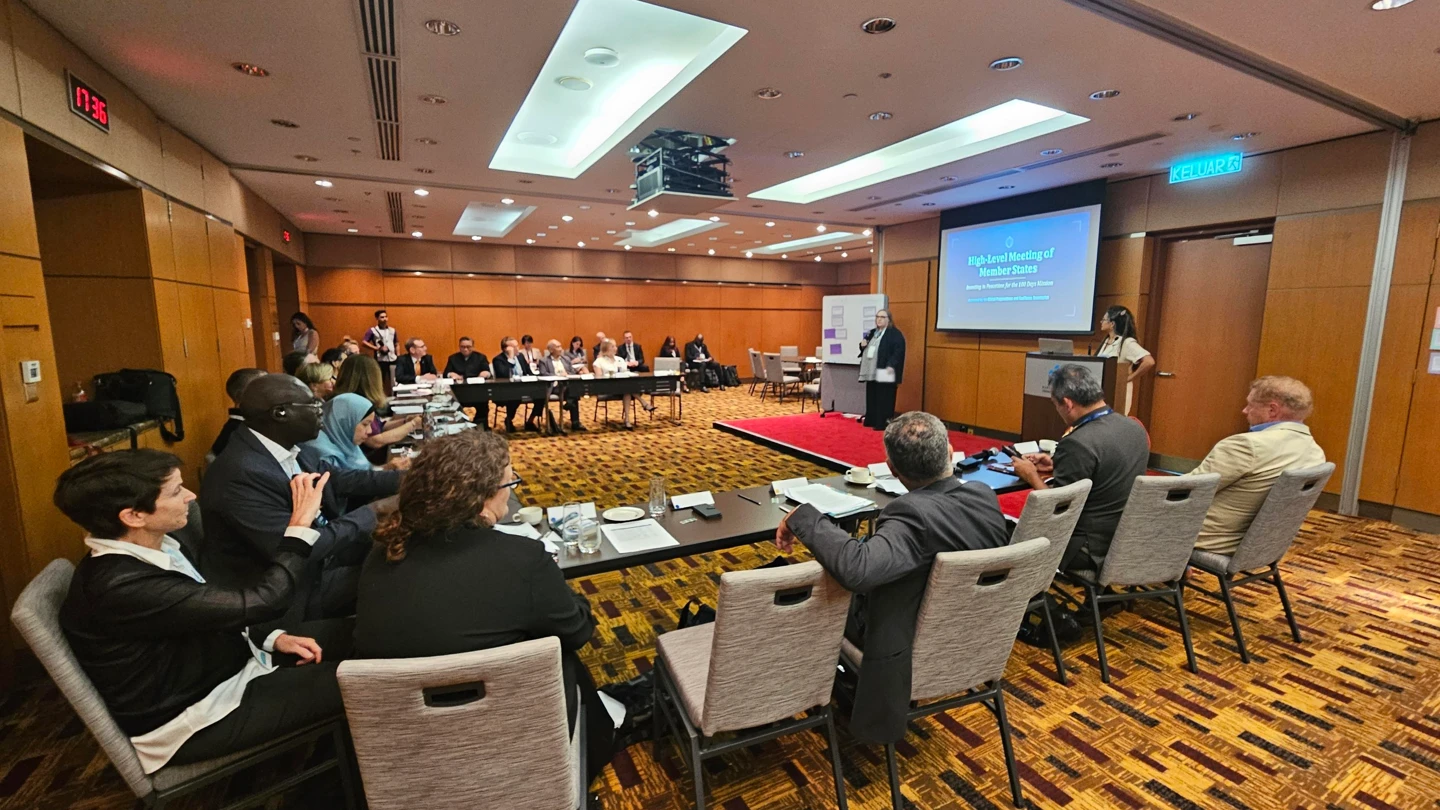
Senior defence and health leaders participated in The 100 Days Mission Under Pressure, a tabletop exercise convened by CEPI, RAND, and the Brown University at the Global Health Security Conference (June 2026, Malaysia)
The 100 Days Mission takes a capabilities-driven approach, focusing on tools and systems that enable rapid medical countermeasure design, development, and manufacturing. This is a paradigm shift from the world’s previous priority pathogen driven approach (where health and defence goals may have diverged) and opens news, practical avenues for collaboration.
Participants in the exercise emphasised the agile, ready-to-activate tools offered by the 100 Days Mission framework are critical no matter the pathogen or its origin. They identified where rapid and coordinated investments could make the most difference:
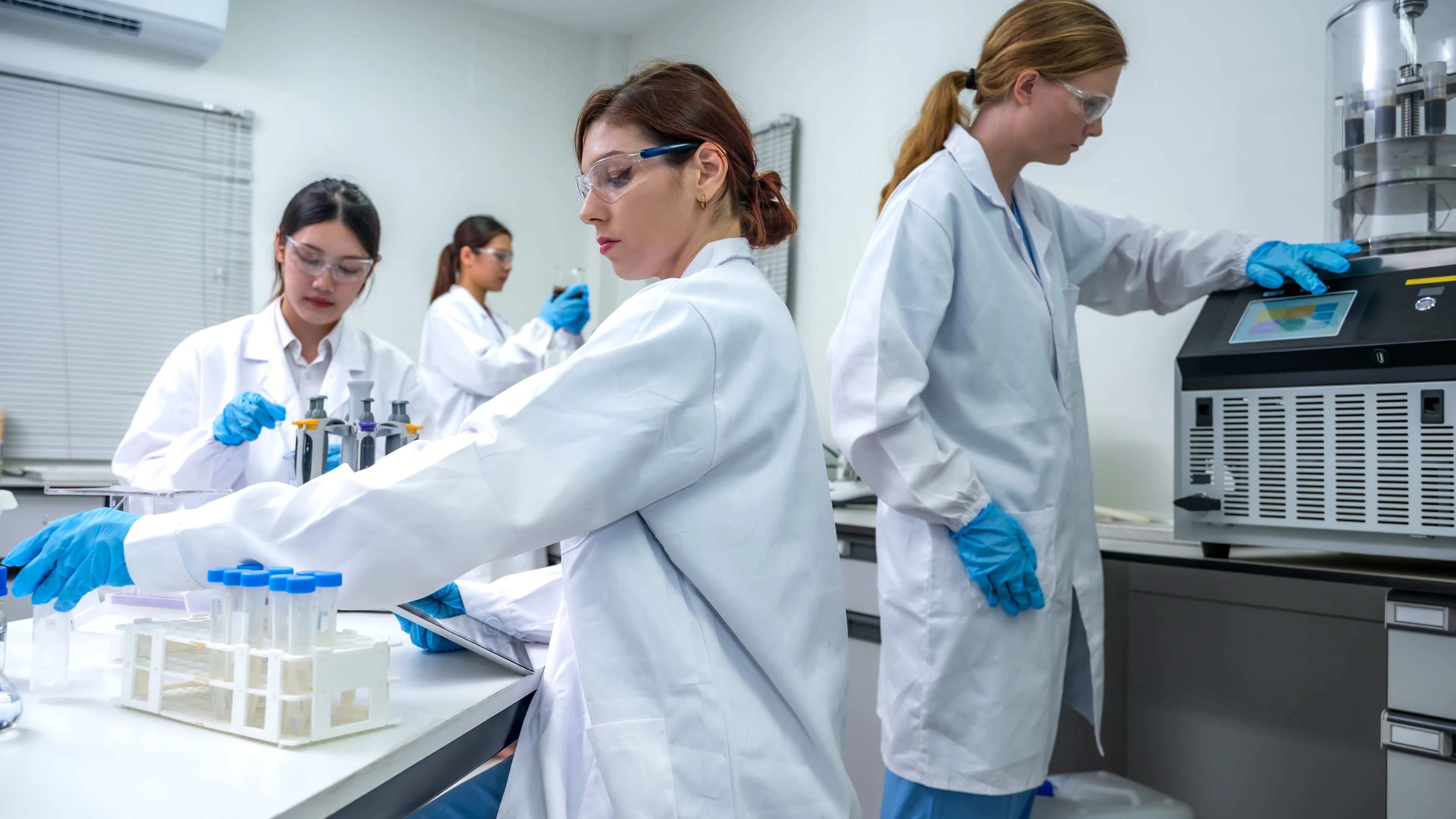
- Synergised and sustained investments for medical countermeasure research and development. Participants across both health and defence sectors ranked this the top priority. Joint capabilities targets include medical countermeasures platform technologies, rapid design tools and delivery innovations. Participants stressed the need for regulators and manufacturers to be prepared, and for at-risk funding mechanisms for production, including advanced market commitments.
- Laboratory capabilities with strong biosafety and biosecurity systems. Safe handling and transport of samples, alongside early warning systems are key. Collaboration will protect against accidental and deliberate misuse, strengthen shared threat detection and mean faster, more coordinated responses.
- Operational compatibility between civilian and defence systems. Logistics and mutual-support arrangements need to be established before a crisis hits, and barriers to sharing tools, supplies, staff, and data must be addressed in advance.
- Equity must be a pre-condition, not an afterthought. Biological crises don’t respect borders. For low-resource civilian settings and militaries alike, specific capabilities like single dose regimens, reduced cold chain reliance, needle-free delivery and effective vaccine allocation are necessary.
- Active engagement and building trust between sectors and among the public. The rapid spread of mis- and disinformation needs to be addressed now, not left to be managed during a crisis.
- Joint diagnostic and therapeutic development, and coordinated production and deployment of personal protective equipment. While CEPI and its partners already coordinate rapid vaccine development, major gaps remain in other critical areas.
CEPI, the Brown Pandemic Center, and RAND will publish a full report outlining priority joint capabilities targets for health and defence collaboration in the coming months. These recommendations can be used to drive progress towards better cross-sectoral collaboration and stronger pandemic preparedness by institutions including governments across CEPI’s diverse coalition, as well as alliances like NATO.
CEPI is already helping catalyse much of this change, as outlined in our next five-year strategy, CEPI 3.0, which recognises that as biological threats become more frequent, complex and interconnected, we can no longer afford to work in silos. Instead, to achieve the 100 Days Mission, we must turn our shared goals of protecting society into shared action.
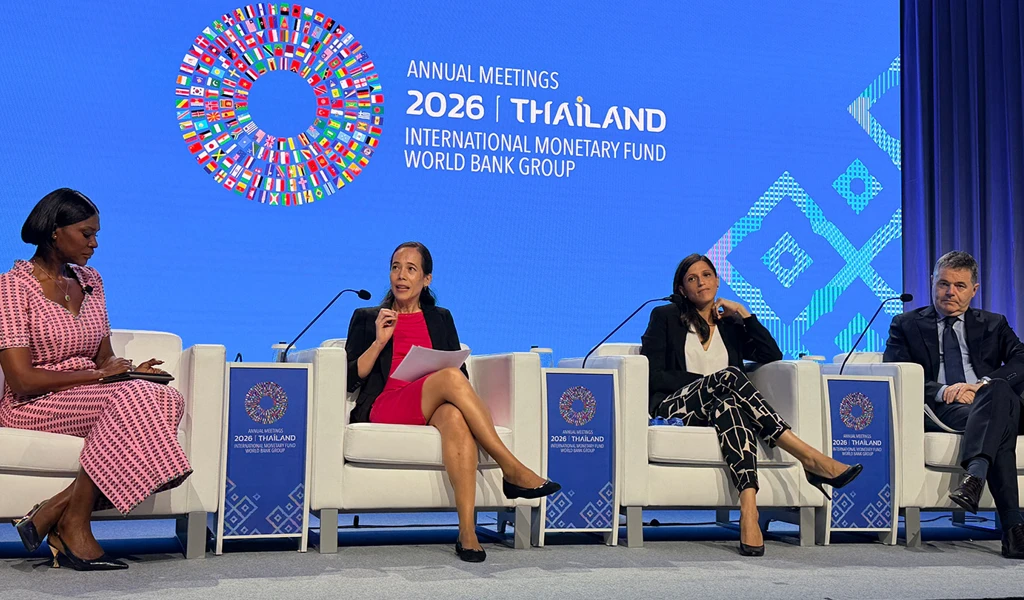
CEPI and World Bank Group partner to strengthen sustainable vaccine manufacturing in ASEAN
Tracking Lassa fever: Where are we up to?