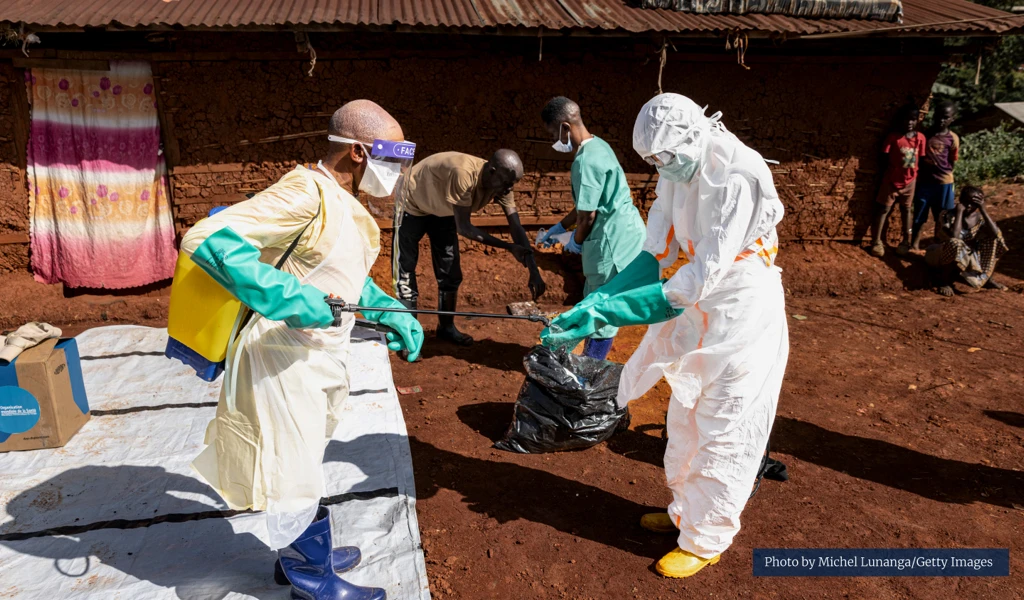
Ebola Bundibugyo
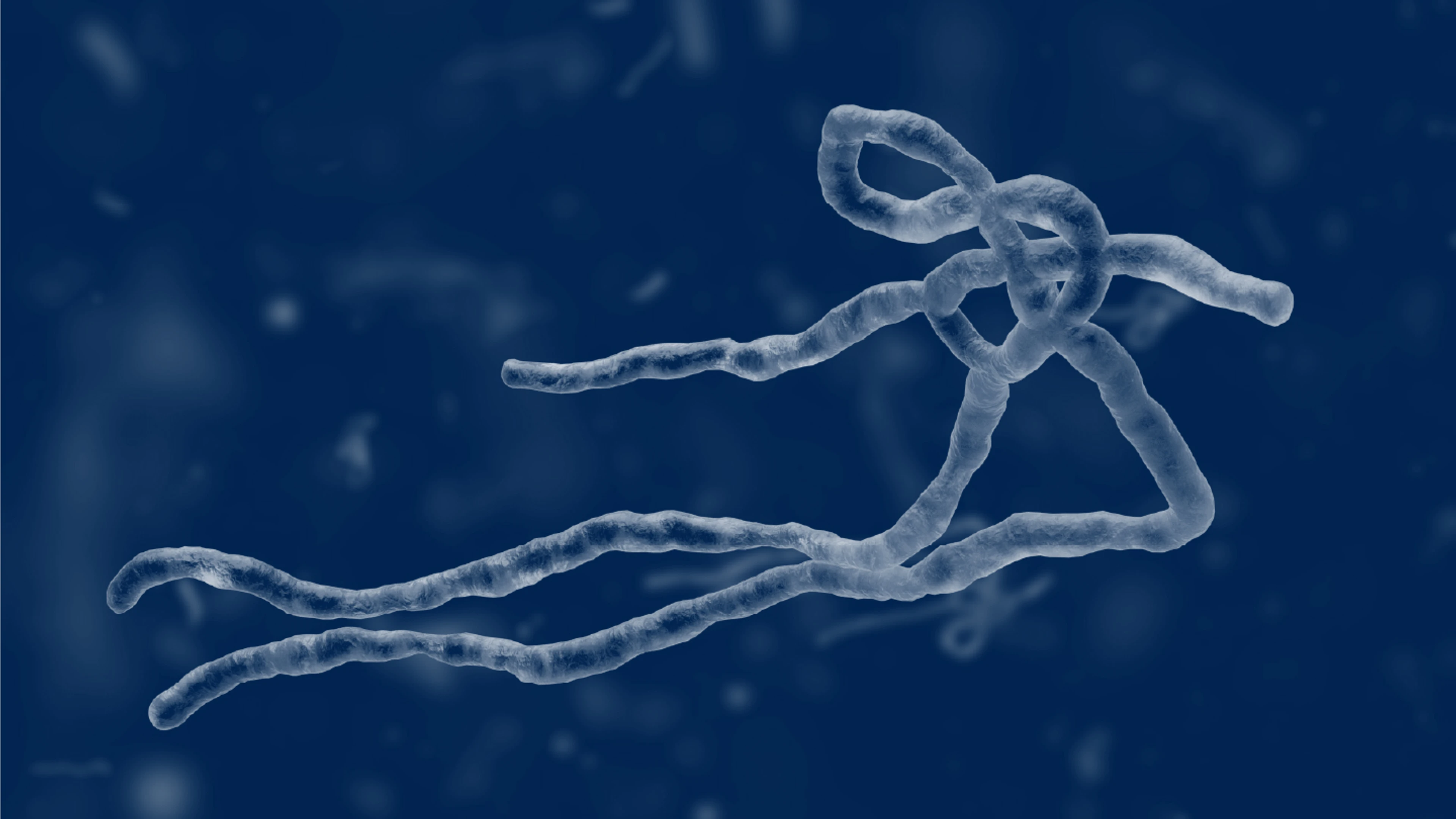
Bundibugyo ebolavirus is a species of ebolavirus that causes Ebola disease. Find out more about CEPI’s work to accelerate the development of Bundibugyo virus vaccines in response to the epidemic in Democratic Republic of the Congo.
3
Recorded outbreaks of Bundibugyo virus
30%-50%
Case fatality rates in 2007 & 2012 outbreaks
0
Licensed vaccines or treatments
What is Bundibugyo virus?
Bundibugyo virus is a member of the filovirus viral family and is related to Zaire ebolavirus, Sudan ebolavirus and other filoviruses. It causes Ebola disease, a severe and often fatal viral haemorrhagic fever.
Previous Bundibugyo outbreaks in 2007 and 2012 have had case fatality rates of 30 percent and 50 percent respectively, suggesting this virus has around the same lethality as the Zaire ebolavirus strain which erupted into an epidemic in West Africa in 2014 to 2016.
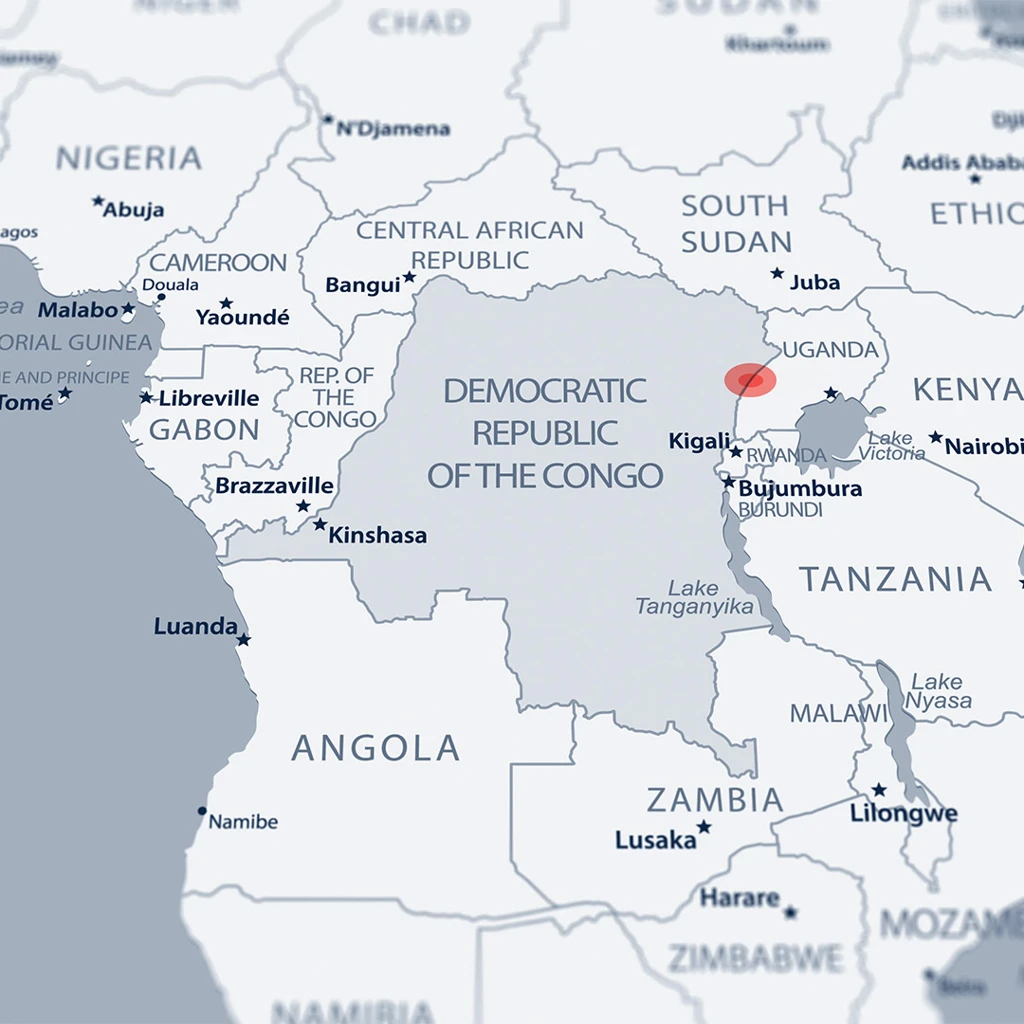
Where does Bundibugyo virus occur?
Bundibugyo ebolavirus was first identified in 2007 in the Bundibugyo district of western Uganda. It has caused three known outbreaks – one in 2007 in Uganda, one in 2012 in the DRC and an epidemic in 2026 that has been declared a Public Health Emergency of International Concern (PHEIC) by WHO and a Public Health Emergency of Continental Security (PHECS) by Africa CDC.
What are the symptoms of Bundibugyo virus infection?
Bundibugyo virus spreads from person to person through direct contact with the blood or body fluids of a person who is sick with or has died from the disease or contact with objects or surfaces that have been contaminated with fluids such as blood, faeces and vomit from an infected person.
There is no evidence that it spreads easily through the air. The incubation period ranges from two to 21 days, and people are usually not infectious until symptom onset.
Because initial symptoms of fever, headache and muscle pain can be similar to the early signs of other infection that are endemic to areas where ebolavirus outbreaks are common, diagnosis of Bundibugyo virus infection and the recognition of an outbreak is sometimes confused and delayed. Subsequent symptoms become increasingly severe, with vomiting, diarrhoea and, in many fatal cases, external and internal bleeding.
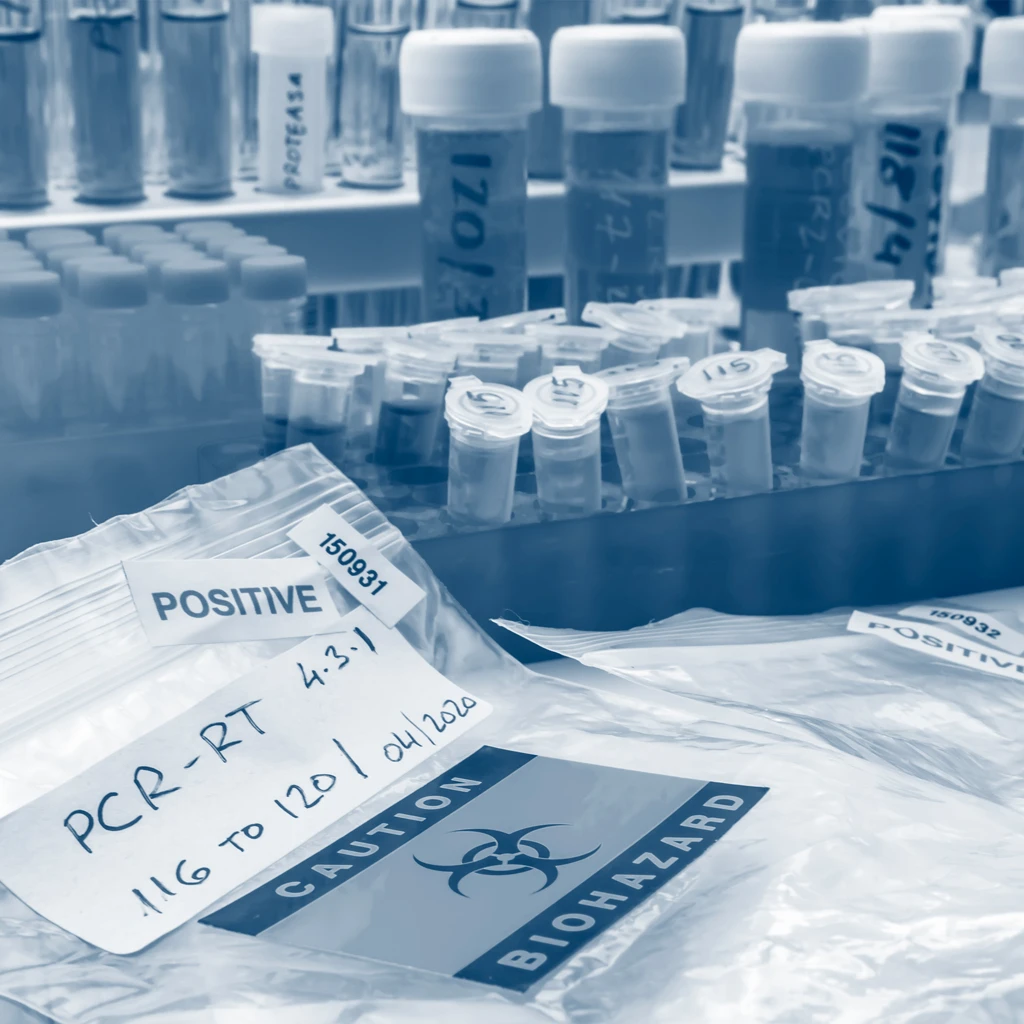
How is CEPI responding to Bundibugyo virus?
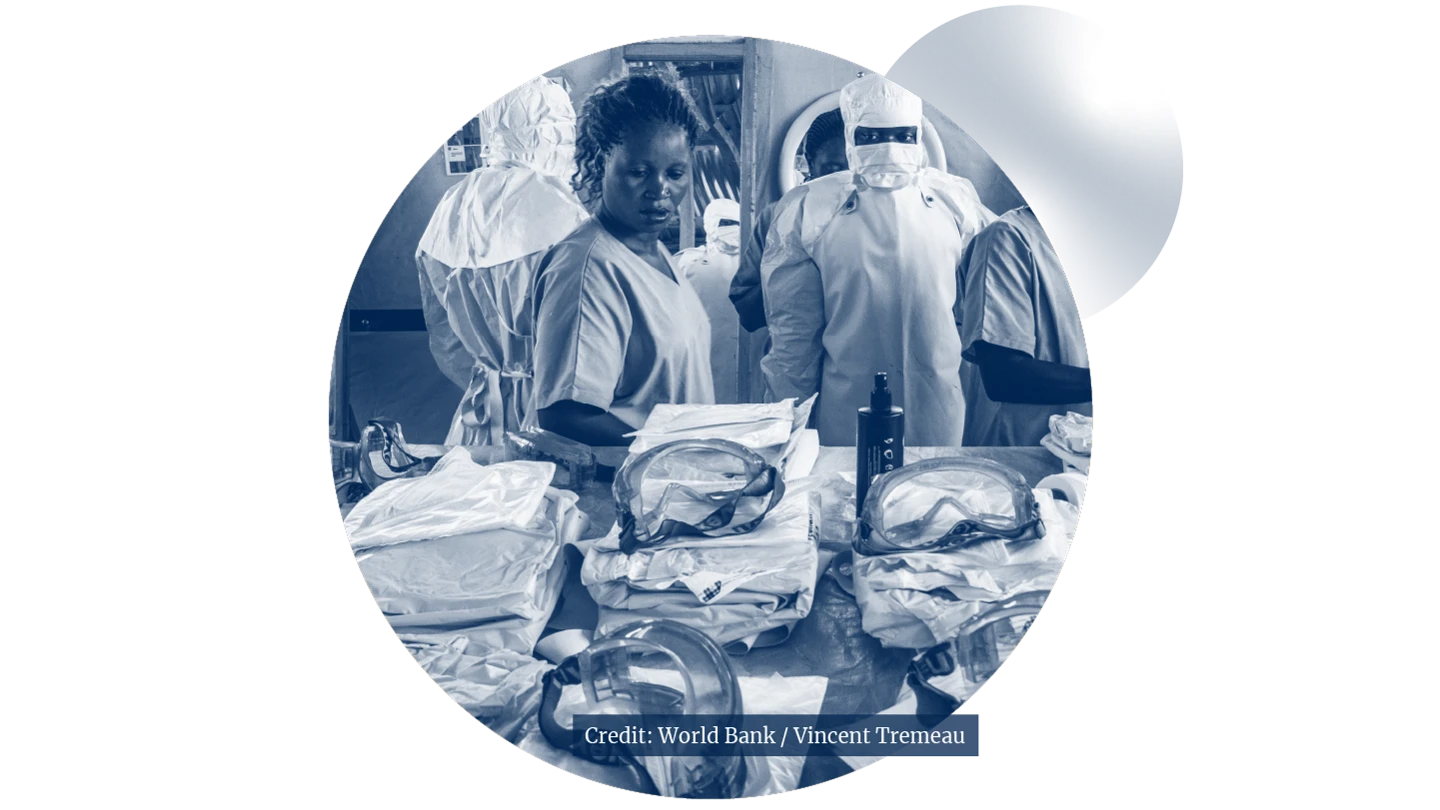
There are no licensed vaccines for Bundibugyo virus. In response to the 2026 epidemic, CEPI has activated its highest level of response and is urgently accelerating the development of Bundibugyo vaccine candidates.
CEPI and its partners are making rapid progress: the first vaccine candidates have entered Phase 1 clinical trials, and we’re preparing at pace so that Phase 2/3 efficacy trials can begin as quickly as possible.
With the crisis escalating, CEPI is making an urgent appeal to existing and new investors to step forward with additional contributions to the emergency response. Find out more about CEPI’s Bundibugyo virus funding appeal here.

Latest Ebola Bundibugyo news
.webp)
African Bundibugyo ebolavirus vaccine candidate to be advanced to clinical trials
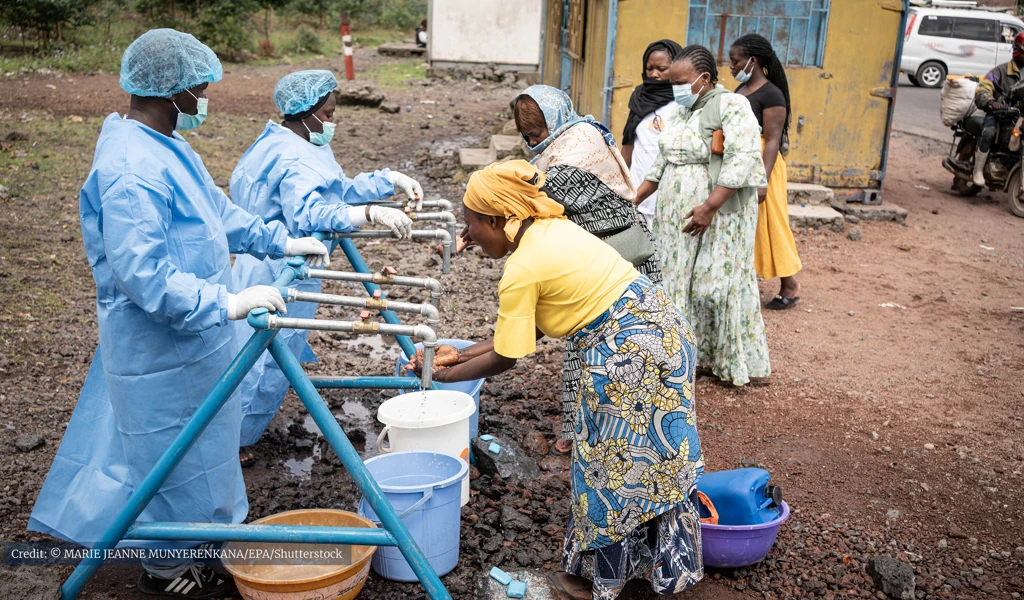
100 days into the Bundibugyo emergency, unprecedented speed is still not enough
%20.webp)
New studies to test whether existing Ebola vaccines can generate immune responses to Bundibugyo ebolavirus

Moderna’s Bundibugyo ebolavirus vaccine candidate enters first human trial, backed by CEPI

Hilleman Laboratories to develop and produce CEPI-backed Bundibugyo ebolavirus vaccine doses for clinical trials
.webp)
CEPI-backed Bundibugyo ebolavirus vaccine trial launched by Oxford
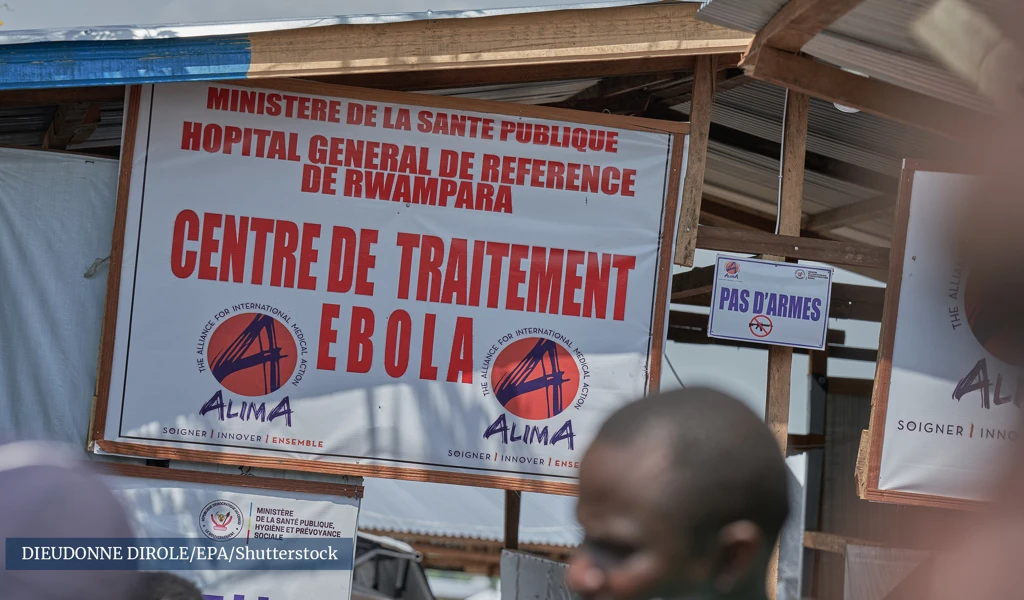
Bundibugyo and the 100 Days Mission: Preparedness, Readiness and Response
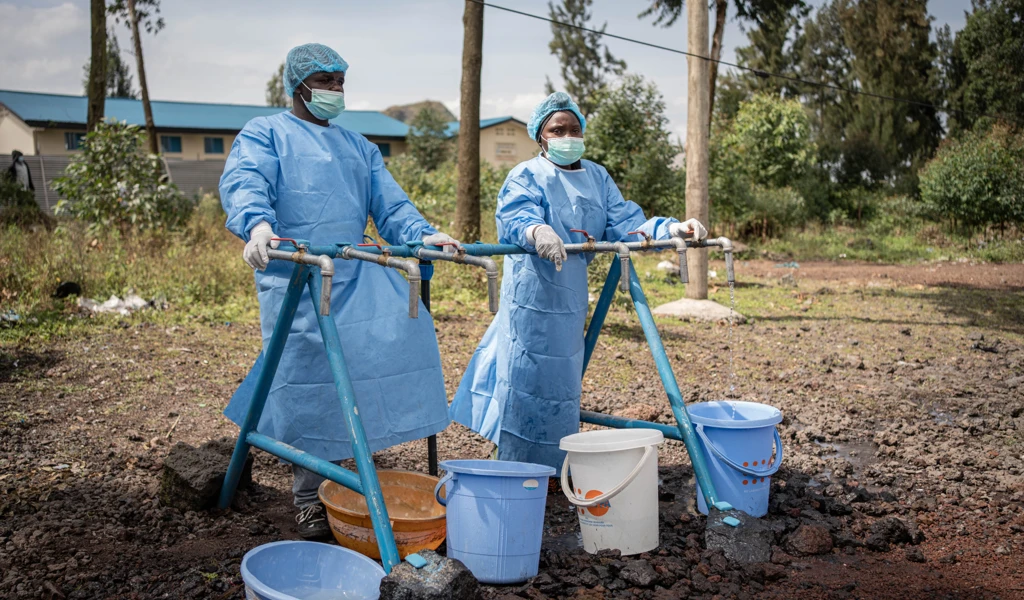
CEPI awards Public Health Vaccines US$1.9m to accelerate Bundibugyo ebolavirus vaccine
U.S. Department of State commits $50 million to CEPI to fast-track Bundibugyo virus medical countermeasures

Three vaccine designs in the race to contain Bundibugyo Ebola

From market failure to epidemic preparedness: the race for a Bundibugyo Ebola vaccine