Moderna’s Bundibugyo ebolavirus vaccine candidate enters first human trial, backed by CEPI
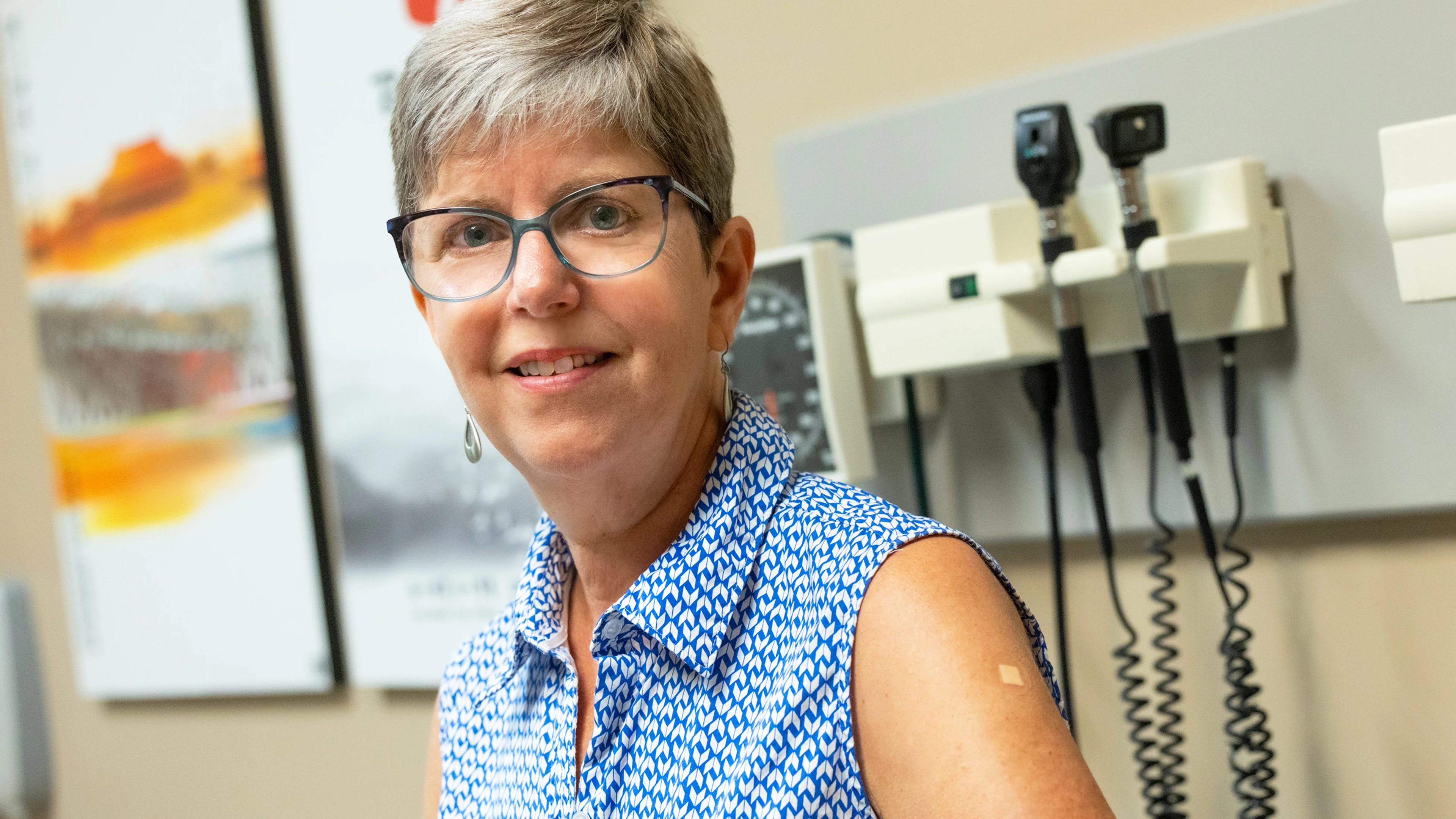
The first participant has been dosed in a CEPI-backed Phase 1 clinical trial of Moderna’s investigational vaccine against Bundibugyo ebolavirus, marking a major step forward in expedited efforts to develop vaccines against the virus causing the deadly Ebola outbreak in the Democratic Republic of the Congo (DRC).
The first-in-human trial is being conducted at three sites in Canada to assess the safety and tolerability of Moderna’s mRNA-1469 vaccine in healthy adult volunteers and to evaluate the immune response it generates.
More than 3,800 people have been infected and more than 1,700 have died so far in the outbreak, which the World Health Organization declared a Public Health Emergency of International Concern on May 17. The epidemic is already the second-largest Ebola outbreak in history and cases are rising faster than they did in the 2014 - 2016 West Africa epidemic – the largest ever recorded.
The crisis has highlighted a critical gap in Ebola vaccine preparedness: while there are highly effective licensed vaccines against Zaire ebolavirus, there are no approved vaccines against Bundibugyo ebolavirus.
“Getting Moderna's vaccine candidate into a Phase 1 trial this rapidly is a major step forward in in the fight against this deadly outbreak," said Dr Richard Hatchett, CEPI's Chief Executive Officer.
Moderna’s mRNA-1469 is one of four initial Bundibugyo vaccine candidates being funded by CEPI in a portfolio approach which is advancing multiple experimental vaccines in parallel. This approach will increase the likelihood of rapidly developing at least one safe and effective vaccine that can help to curtail the outbreak.
Alongside Moderna’s candidate, CEPI is supporting two rVSV-based candidates: one developed by IAVI with manufacturing led by Hilleman Laboratories, and another developed by Public Health Vaccines. CEPI is also backing a vaccine candidate from the University of Oxford, based on the ChAdOx viral-vector platform and manufactured by the Serum Institute of India, which is currently undergoing Phase 1 testing.
“Every day matters and every vaccine candidate in clinical trials gives us another shot at getting a safe, effective vaccine to the people who need it as swiftly as possible,” said Dr Hatchett.
The Phase 1 study in Canada will involve around 80 volunteers. Researchers will assess whether Moderna’s mRNA-1469 vaccine candidate is safe and well tolerated, and whether it generates immune responses that suggest it should be developed further. The vaccine uses Moderna’s mRNA platform, the same underlying technology used for its COVID-19 vaccine.
“Dosing the first participant with mRNA-1469 marks an important milestone in advancing a vaccine candidate against Bundibugyo ebolavirus, for which no approved vaccine currently exists,” said Stéphane Bancel, Chief Executive Officer of Moderna.
CEPI has committed up to US$50 million to support preclinical testing and the Phase 1 clinical trial, as well as scaled manufacture of additional clinical trial doses in parallel with early clinical development so that larger studies to assess the efficacy of the vaccine can begin rapidly if Phase 1 results show the vaccine candidate has promise.
If licensed, Moderna is committed to enabling rapid supply and access to its Bundibugyo vaccine to affected countries and the populations that need it. As part of its agreement with CEPI, the company will make available at a minimum 500,000 doses for timely supply to low- and middle-income countries under access pricing.
Photo Caption: A healthy adult participant, Susan Murray, receives the first dose in Moderna’s Phase 1 clinical trial in Canada evaluating mRNA-1469, an investigational vaccine candidate against Bundibugyo ebolavirus, in Truro, Nova Scotia, on August 3, 2026
First participant vaccinated in pivotal Phase 2/3 Bundibugyo vaccine trial in DRC
UK rabies vaccine trial could also unlock protection against Disease X
_Andreas%20Kravik%20(Norway)_Chris%20Elmore%20(UK)_Abnet%20Zeleke%20(Ethiopia)_Mamadou%20Ndiaye%20(Senegal)_Sept%2021_2026.webp)