U.S. Department of State commits $50 million to CEPI to fast-track Bundibugyo virus medical countermeasures
Significant early investment in CEPI’s response will help advance vaccine candidates through clinical trials to help contain ongoing epidemic and strengthen global preparedness
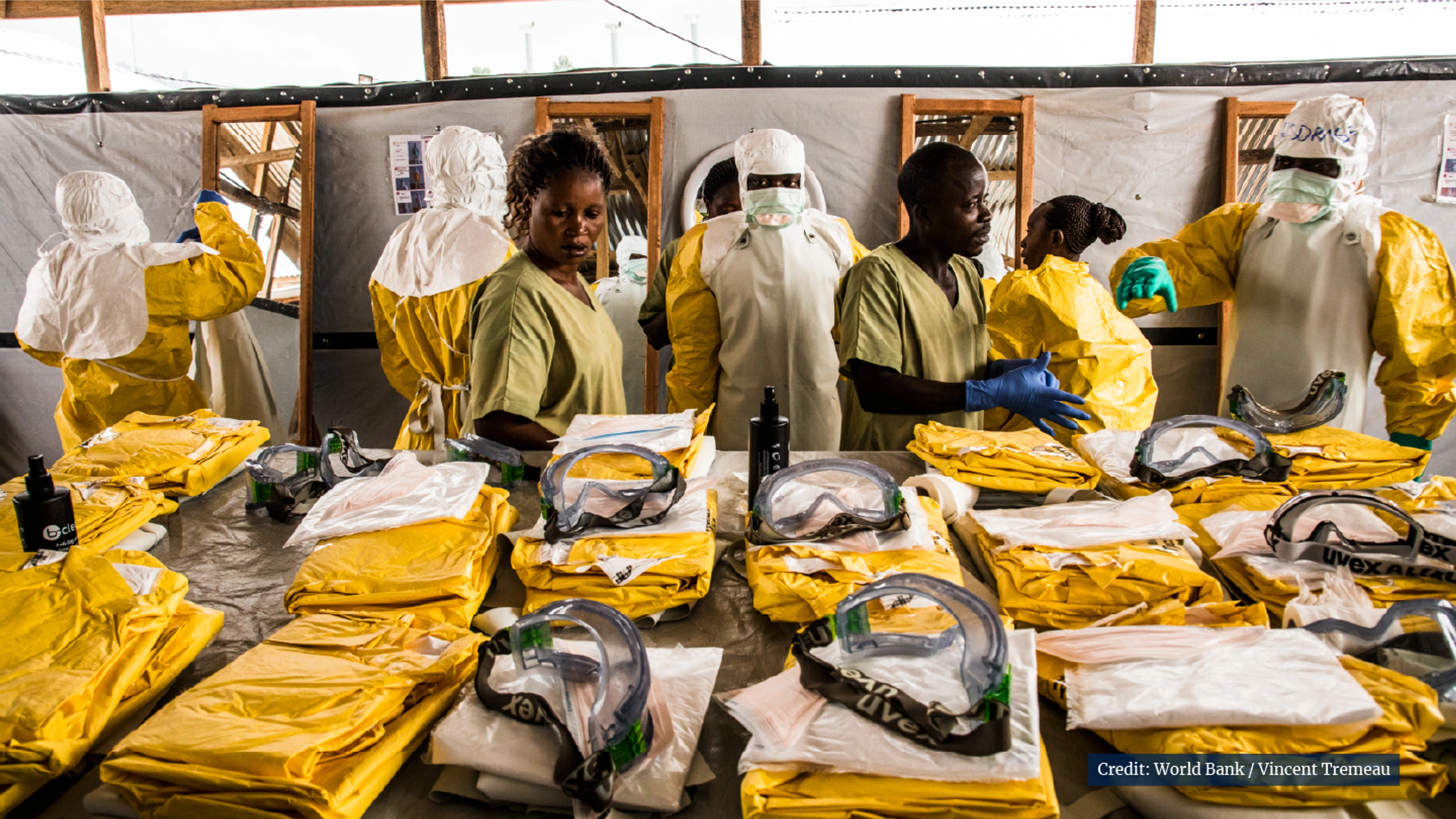
OSLO, 12 June 2026 – The U.S. Department of State has committed $50 million to the Coalition for Epidemic Preparedness Innovations (CEPI) to rapidly advance the development of safe and effective medical countermeasures against Bundibugyo virus in response to the rapidly spreading epidemic in the Democratic Republic of the Congo (DRC) and Uganda.
More than 690 confirmed cases and over 135 deaths have been reported to date. With no licensed vaccines available for Bundibugyo virus and none currently in clinical development, this early catalytic funding underscores the urgent and critical need for medical countermeasures to help curtail the outbreak, complementing ongoing public health interventions by affected countries.
“The U.S. Department of State’s swift and significant commitment comes at a critical moment in the fight against one of the most challenging viral outbreaks in decades,” said Dr Richard Hatchett, CEO of CEPI. “With no licensed vaccines against Bundibugyo virus, we must move at speed. This funding will help CEPI accelerate the development of life-saving countermeasures to control this outbreak and strengthen the world’s defences against future Bundibugyo virus epidemics.”
Senior Bureau Official Jeffrey Graham, Bureau of Global Health Security and Diplomacy, said: “This early commitment of funding by the United States Department of State to catalyze rapid development of medical countermeasures against the Ebola outbreak reinforces U.S. leadership that delivers measurable results for the American people and puts America First.”
CEPI's response to Bundibugyo virus
The U.S. Department of State’s $50 million investment will substantially contribute to CEPI's goal to advance at least two vaccine candidates through to emergency authorisation. CEPI has already committed over $60 million to support a portfolio of four vaccine candidates under development by IAVI, Moderna, the University of Oxford/Serum Institute of India, and Public Health Vaccines with co-funding from BARDA, the U.S. Biomedical Advanced Research and Development Authority. As work is underway to swiftly advance these candidates into clinical trials, CEPI continues to evaluate additional promising options.
CEPI is coordinating closely with Gavi, the World Bank, and development finance institutions on potential surge financing for downstream manufacturing and vaccine procurement, contingent on positive trial outcomes. This comprehensive approach aims to ensure that successful vaccines can be rapidly scaled and made available to those most in need, without delay.
CEPI’s response to the epidemic underscores the importance of the organisation’s work to advance R&D across high-risk viral families including filoviruses, strengthen vaccine platform readiness, and maintain ready-to-activate global networks. This approach is accelerating Bundibugyo virus vaccine development timelines today and will be critical to delivering faster, fairer and more resilient preparedness for future epidemic and pandemic threats.
ENDS
About CEPI
CEPI is an innovative partnership between public, private, philanthropic and civil organisations. Its mission is to accelerate the development of vaccines and other biologic countermeasures against epidemic and pandemic threats so they can be accessible to all people in need. Central to CEPI’s pandemic-beating plan is the ‘100 Days Mission’ to develop safe, effective and accessible vaccines against new threats in just 100 days. CEPI is seeking $2.5 billion to execute CEPI 3.0, its 2027-2031 strategy which will systematically reduce the likelihood, impact and cost of epidemics and pandemics by driving the 100 Days Mission towards an operational reality. Learn more at CEPI.net.
CEPI Press
- Email:
- [email protected]
- Phone:
- +44 7387 055214
UK rabies vaccine trial could also unlock protection against Disease X
_Andreas%20Kravik%20(Norway)_Chris%20Elmore%20(UK)_Abnet%20Zeleke%20(Ethiopia)_Mamadou%20Ndiaye%20(Senegal)_Sept%2021_2026.webp)
Ethiopia, Norway and UK commit US$240 million to CEPI’s global plan to tackle epidemic and pandemic threats