What the Hantavirus outbreak tells us about preparing for Disease X
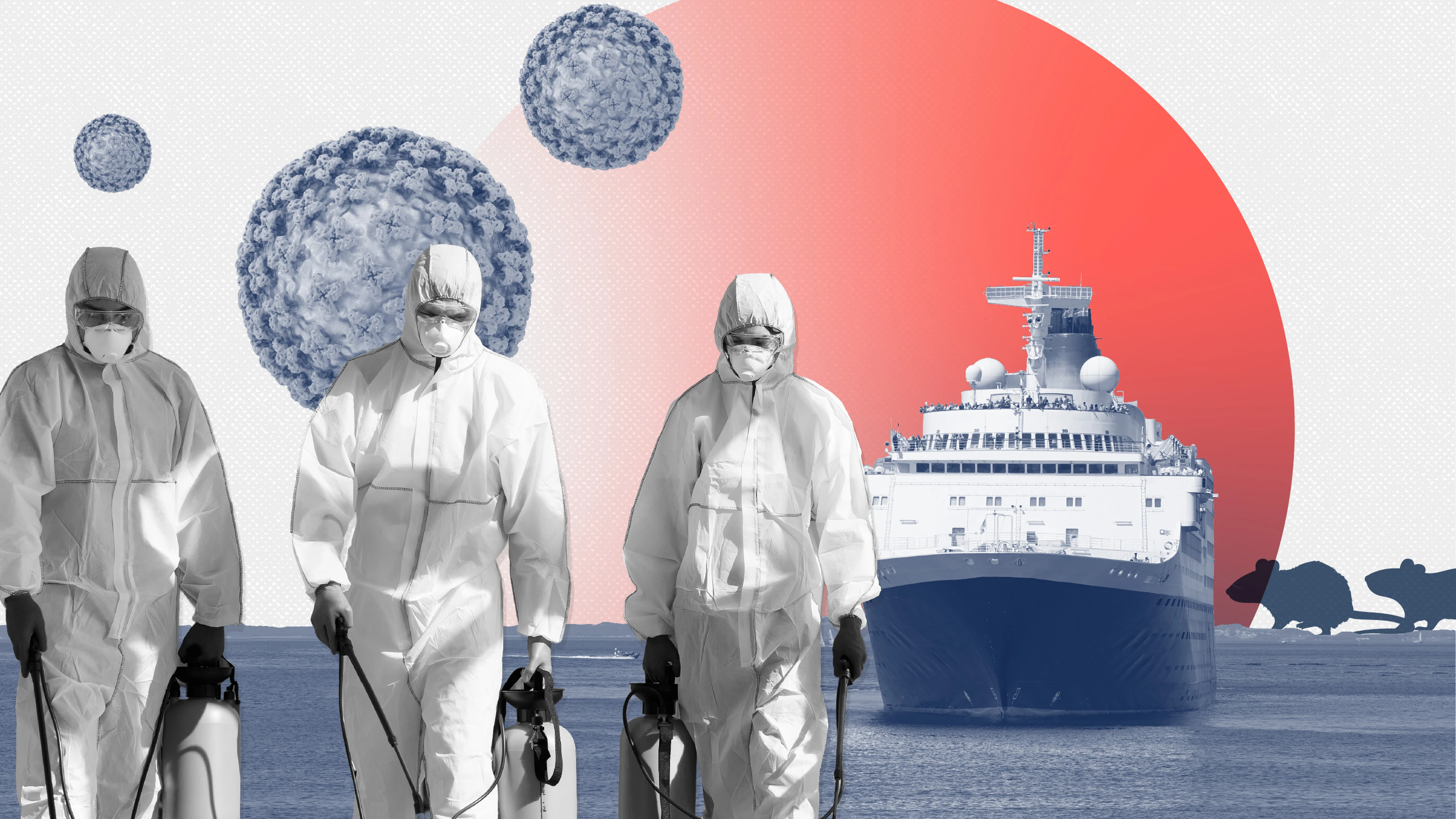
The outbreak of Andes Hantavirus on a cruise ship carrying passengers from 23 countries has brought back frightening memories of the start of the COVID-19 pandemic and raised questions about how ready the world now is to tackle the next novel Disease X viral threat.
Latest data on the Hantavirus outbreak show a total of eleven cases reported, including three deaths. With all passengers and most crew having disembarked, active cases are currently being treated in hospitals in at least six countries.
First discovered in Argentina in the mid 1990s, Andes virus is normally spread to people through contact with infected rodents or their urine, droppings or saliva. Unusually for a Hantavirus, it can also spread from person to person via close physical contact. It causes Hantavirus Pulmonary Syndrome, a severe respiratory illness with case fatality rates of up to 50 percent.
Early symptoms of Hantavirus infection include flu-like fever, fatigue and muscle aches. Because it has an incubation period of up to six weeks, experts caution that there is potential in this outbreak for more former passengers to test positive in the coming days and weeks. But the WHO has assessed the risk of spread to the wider global population as low.
Virologists stress that Andes virus transmission dynamics are very different from highly transmissible respiratory viruses such as measles, flu or SARS CoV-2 – the virus that causes COVID-19. “Current evidence does not suggest efficient transmission through casual community contact,” said a statement from the International Hantavirus Society.
These expert risk assessments are important. Andes virus is not the next Disease X. It is not like COVID-19 and doesn’t have the pandemic potential of the novel coronavirus that emerged in Wuhan in 2019.
Still, health authorities are monitoring the outbreak extremely closely because of several worrying features: a deadly virus originally in a confined setting, evidence of person-to-person transmission, and international passengers being repatriated around the world.
RESPONSE READINESS
For CEPI, the outbreak underscores why pandemic preparedness needs to start long before a public health emergency is declared.
“Our assessment of this outbreak is that we don’t need to rush into a rapid response vaccine development right now, but we should make sure we are poised and ready to do so if it becomes necessary,” said Dr Nicole Lurie, CEPI’s Executive Director for Preparedness and Response. “This scientific groundwork on Hantaviruses, as well as other high-risk viral families, is what will prepare the world be to ready to respond quickly and effectively when new viruses emerge that pose a pandemic threat.”
That principle sits at the heart of CEPI’s 3.0 strategy – the coalition’s next five-year work phase to help the world get ahead of epidemic and pandemic threats. Instead of chasing a few individual pathogens at a time and trying to predict exactly what the next Disease X will be, CEPI’s work focuses on high-risk viral families – groups of related viruses with the potential to cause serious human outbreaks – and on strengthening the world’s capabilities to respond to a range of pathogens.
By studying these families in advance, researchers can develop tools, knowledge and vaccine building blocks that could speed up the response if a pandemic threat emerges.
In the case of Hantaviruses, some of that work is already under way. Teams in CEPI-funded networks have developed computationally-designed antigens – key ingredients needed for the development of vaccines – for Andes virus as well as several other Hantaviruses. Early laboratory tests have shown that these antigens can trigger an immune response, meaning they could potentially be used to make an effective vaccine. With these antigen designs checked and ready, if a similar virus were to emerge with pandemic characteristics – e.g. more transmissible – we would already have a head start in the race to design a vaccine.
CEPI is also working with partners to develop an international antibody standard for Andes Hantavirus so that vaccine developers can test their candidates against a common benchmark.
The reality is that most viral diseases will not become global pandemics. But each new outbreak serves as a reminder that the next viral threat could come from anywhere at any time. CEPI’s work helps the world get response ready before the pandemic alarm sounds – so that when the next Disease X does emerge, the world is not starting from scratch.

CEPI and World Bank Group partner to strengthen sustainable vaccine manufacturing in ASEAN
Tracking Lassa fever: Where are we up to?