.webp)
Landmark new research has launched in Ghana assessing the University of Oxford’s promising vaccine candidate against Lassa fever, the deadly viral disease which affects hundreds of thousands across West Africa each year.
The first participants were vaccinated yesterday at the Kintampo Health Research Centre in Central Ghana to provide additional data on the safety of the investigational shot, ChAdOx1 LassaJ, and the immune response generated following vaccination. The study, which will enroll up to 51 healthy adults aged 18-55 years, follows a similar trial ongoing in Oxford in the UK.
Both trials are supported by the Coalition for Epidemic Preparedness Innovations (CEPI) as part of its work to accelerate the development of the first-ever safe and effective Lassa vaccines.
First discovered in 1969 in the town of Lassa in Northeastern Nigeria, Lassa fever is a potentially deadly haemmorhagic fever spread to people mainly through contact with food or household items contaminated by the urine or droppings of infected Mastomys rats. Severe Lassa fever infections can result in severe bleeding and loss of life.
“Lassa fever may not be an outbreak in Ghana at this moment, but it is prevalent in places like Nigeria, and Ghanaians and Nigerians interact and travel across the border every day. This makes the study very important,” Prof. Kwaku Poku Asante, Director of KHRC and one of the investigators of the trial, said.
“More than 50 years after Lassa fever was first identified, communities across West Africa are still waiting for a licensed vaccine,” said Dr Katrin Ramsauer, Lassa Disease Programme Lead. “The launch of this trial in Ghana is an important step towards changing that, while also further establishing research capacity in West Africa.”
Currently, no vaccines are licensed for Lassa fever. However, CEPI-funded modelling suggests that introducing a safe and effective vaccine across West Africa could save about 3,300 lives over 10 years and prevent up to $128 million in societal costs.
The vaccine candidate being assessed in the Ghana trial was designed by Professor Dame Sarah Gilbert, Pandemic Sciences Institute. It uses the same ChAdOx1 technology behind the safe and effective COVID-19 vaccine developed by the University of Oxford/AstraZeneca rolled out during the pandemic, estimated to have saved over six million lives during 2021 alone.
“This is a wonderful moment for everyone who has worked so hard to bring the study to this point” said Professor Maheshi Ramasamy, the Chief Investigator of the study discussing the launch of the trial. “We are especially grateful to our colleagues at Kintampo Health Research Centre, whose dedication, expertise and tremendous teamwork have made this achievement possible, but most of all to our study participants, whom without, we would not be able to progress our work."
Alongside new clinical trials, efforts to advance a Lassa vaccine are progressing through regional leadership and coordination by the Lassa fever Coalition. The consortium led by the West African Health Organization (WAHO) is made up of West African leaders and public health experts working with vaccine partners to accelerate the development and future equitable introduction of Lassa fever vaccines across the affected region.
“Seeing a Lassa fever vaccine trial begin here in West Africa, led by West African scientists, is a proud moment for our region,” said Dr Virgil Lokossou, Director of Healthcare Services at WAHO. “Through the Lassa fever Coalition, our Member States are preparing now so that, once a vaccine is proven safe and effective, it can reach the communities that need it most.”
CEPI has to date committed up to $24.9 million to the University of Oxford for its work on Lassa fever.
CEPI also supported the early development of the Oxford-AstraZeneca COVID-19 vaccine, and has a strategic partnership with the University for the development of other ChAdOx-based vaccines being designed against future epidemic and pandemic threats.
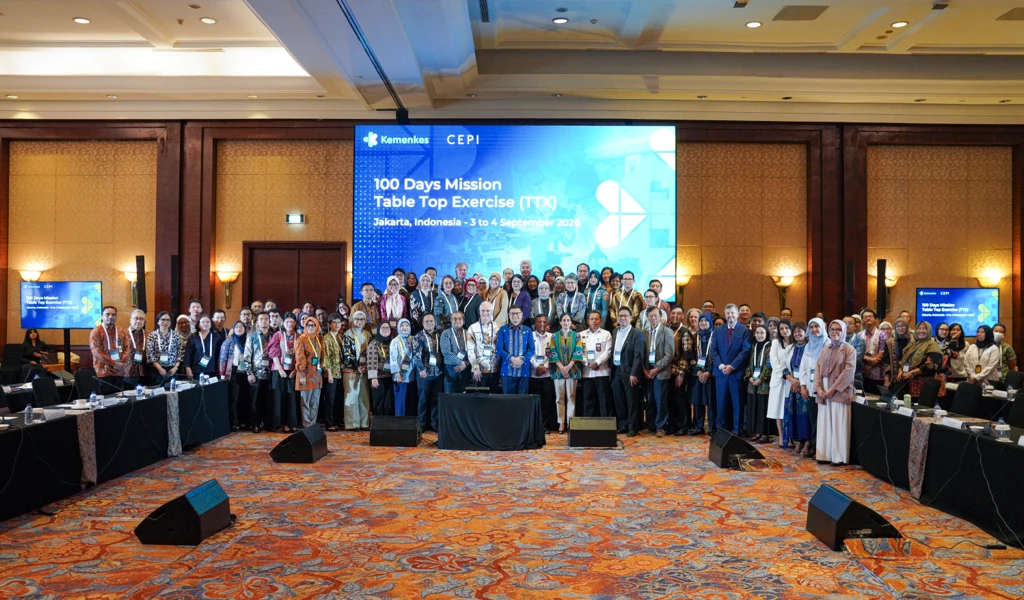
Indonesia steps up Southeast Asia’s outbreak preparedness with pandemic simulation exercise
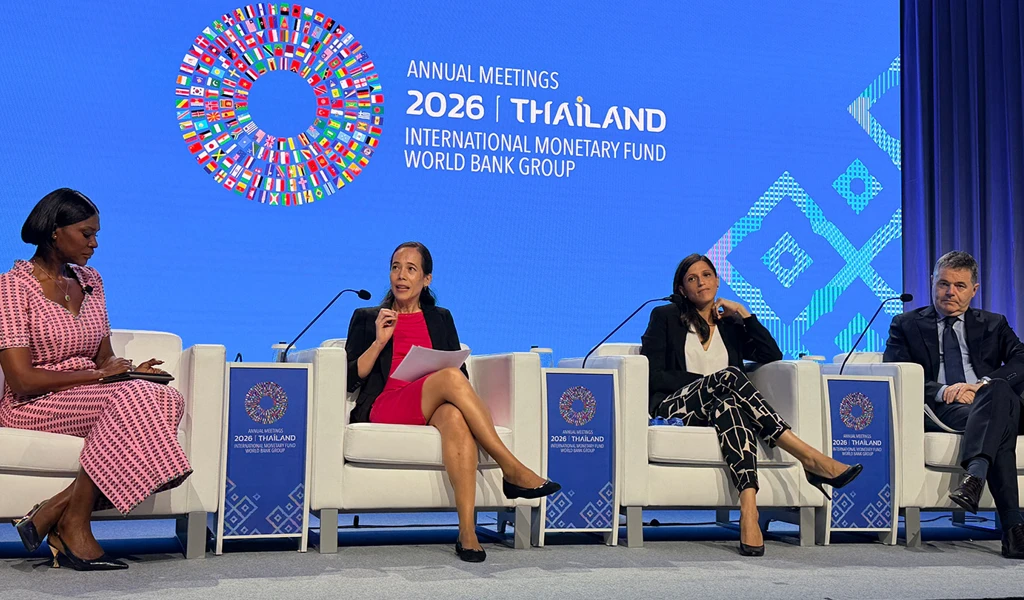
CEPI and World Bank Group partner to strengthen sustainable vaccine manufacturing in ASEAN