How AI and a 'Nanoball' vaccine could fight deadly viruses in Japan and beyond
Cases of Severe Fever with Thrombocytopenia Syndrome (SFTS), a tick-borne virus that kills around one in ten people diagnosed with it in Japan, reached record highs in 2025 – and there's no vaccine to protect against it.
In Nagasaki, scientists supported by CEPI are exploring whether a new type of mRNA vaccine designed with artificial intelligence and delivered in an innovative protective coating could change that, and at the same time help the world respond faster to the next Disease X.
CEPI spoke to the researchers to find out more.
__________
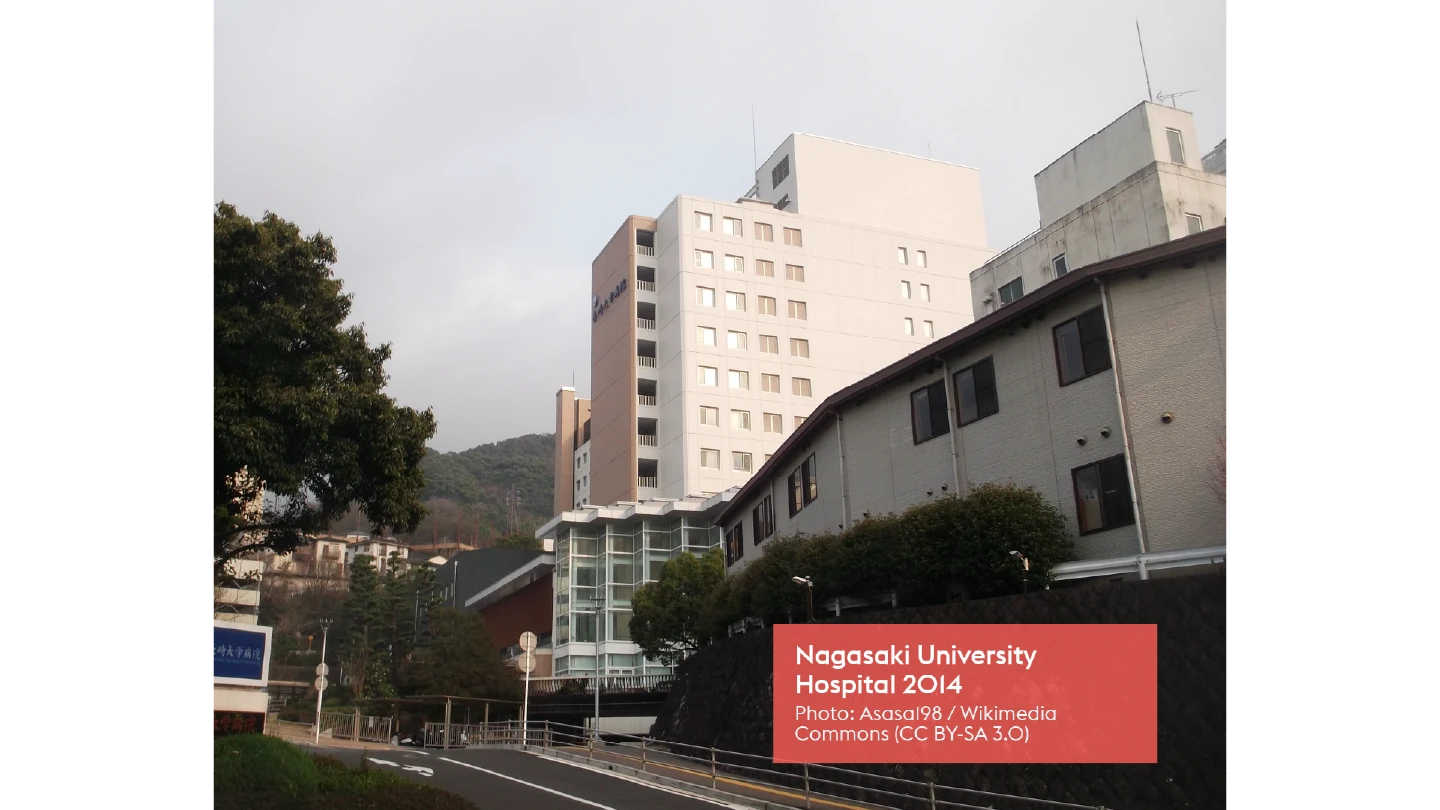
The 79-year-old had spent a few days out working in the bamboo grove near his home in Japan’s Nagasaki Prefecture when he began to feel lightheaded. Tests at a local clinic showed his blood platelets had dropped sharply, and as his condition deteriorated, with confusion and fever setting in, he was rushed to Nagasaki University Hospital.
It was there, according to the documented case report, that doctors found a swollen tick still attached to the man’s chest.
The virus the tick’s bite brought with it is known as Severe Fever with Thrombocytopenia Syndrome, or SFTS – a disease that has become endemic in China, South Korea and Japan since it was formally identified in 2011 and for which there is no licensed vaccine.
Cases of SFTS infection are on the rise in Japan, reaching record highs in 2025 and on track to be even higher in 2026 if current trends persist. And while this 79-year-old patient eventually recovered, despite suffering a seizure and spending a month in intensive care, many people infected with SFTS don’t.
Since the first SFTS cases were recorded in Japan in 2013, the country has confirmed more than 1,200 infections and 126 deaths, a fatality rate of more than 10 percent.
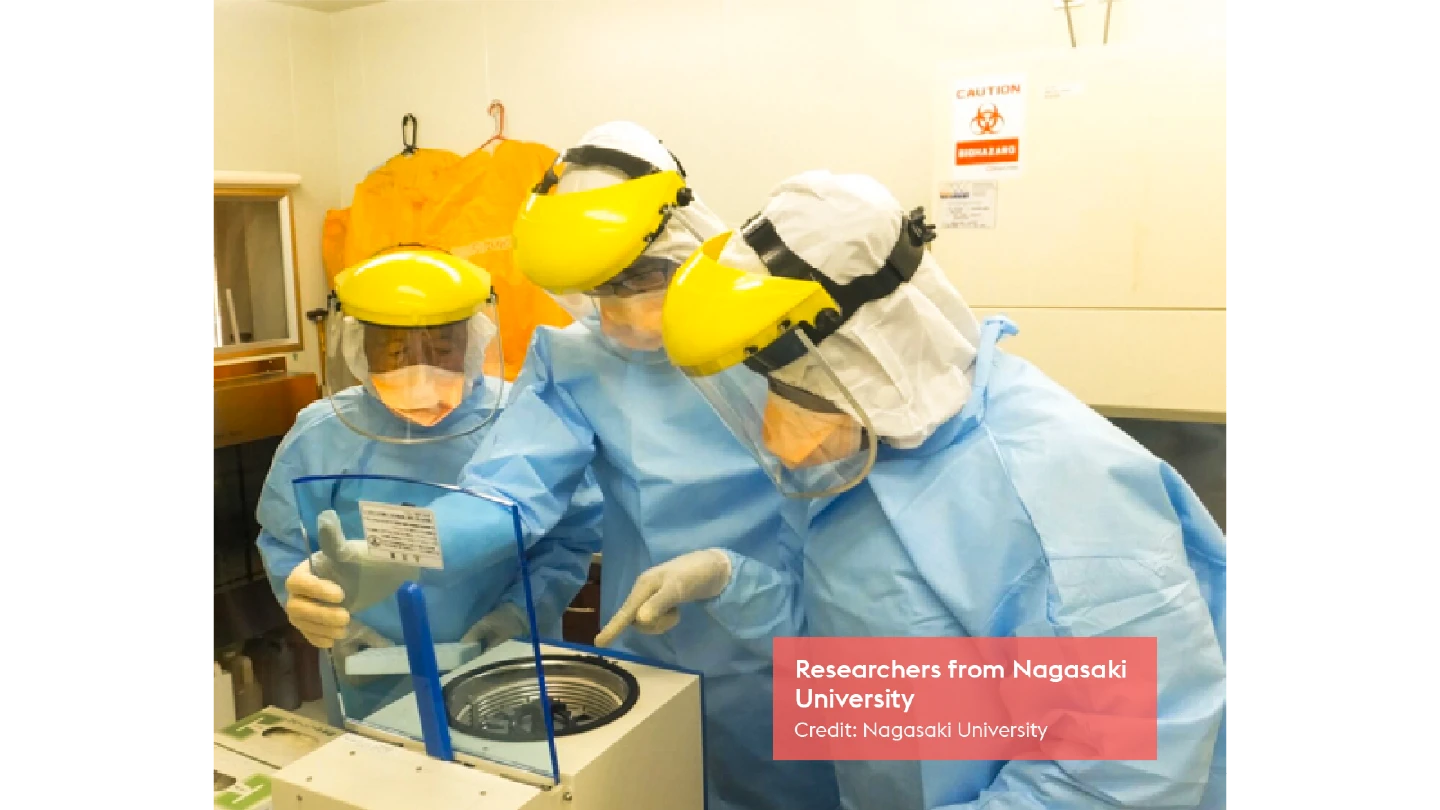
This high and rising toll is one of the drivers behind an innovative partnership between Japan’s NEC OncoImmunity, Nagasaki University and CEPI that aims to develop and test a new type of mRNA vaccine against SFTS.
“Our first goal is to help address a real and growing health problem in Japan. Because SFTS can be very serious and even life-threatening, there is a strong need for a vaccine, especially for people at higher risk of exposure,” said Professor Hitoshi Sasaki, an expert in pharmaceutical sciences at Nagasaki University who is co-leading the vaccine’s development.
What makes this approach different is that it combines two innovative technologies.
The first is a new vaccine delivery system developed by Sasaki’s team called Nanoball. Because mRNA is fragile, most current vaccines protect it in fatty particles that need to be kept very cold to remain intact. The Nanoball is a tiny coating designed to protect the mRNA without the need for super-cold storage.
“You can think of Nanoball as a special carrier that safely delivers the vaccine’s instructions to the body's immune cells,” Professor Sasaki said. And because it’s designed to be easier and cheaper to manufacture and more temperature stable than existing mRNA vaccines, it could make vaccines more accessible in many parts of the world.
The second is the use of artificial intelligence (AI) in vaccine design. NEC's platform analyses large amounts of virus data and helps to identify the parts of the virus that the immune system is most likely to recognise and attack. Then it designs the vaccine around them.
“In simple terms, we’re combining a new way of delivering vaccines with AI-powered design technology. Our goal is to create a next-generation SFTS vaccine that is effective, practical to manufacture and easier to distribute to people who need it,” Professor Sasaki said.
The work's potential impact stretches far beyond Japan’s borders.
SFTS belongs to the Phenuivirus family of viruses that includes other serious threats such as Rift Valley fever. By using SFTS as a proof of concept, or test case, the researchers hope to show that the combined AI-Nanoball approach could be adapted quickly against other related viruses or against a future as-yet-unknown Disease X.
“What we learn from developing an SFTS vaccine can help us respond more quickly when a new disease emerges,” said Professor Sasaki. “If a future outbreak is caused by a different virus, we hope that many parts of the development process can be adapted rather than starting completely from the beginning.”
This speed and adaptability is central to CEPI's 100 Days Mission: the goal of making safe, effective vaccines available within 100 days of a new pandemic threat being identified.
“Rapid vaccine development is crucial to protect people against both epidemic and pandemic threats,” said Tim Endy, CEPI’s Disease X programme lead. “This innovative Japanese project has both an immediate goal - to meet an increasing need for a vaccine against SFTS, as well as a broader aim - to build the capabilities and technologies to help the world respond faster to emerging viruses that could be even more dangerous and deadly.”