This press release was first published on the WHO website.
In support of efforts to have safe and effective diagnostics, treatments and vaccines ready for distribution before the next pandemic strikes, the World Health Organization (WHO), together with partners, has launched research and development roadmaps for 10 viral families and a group of bacteria.
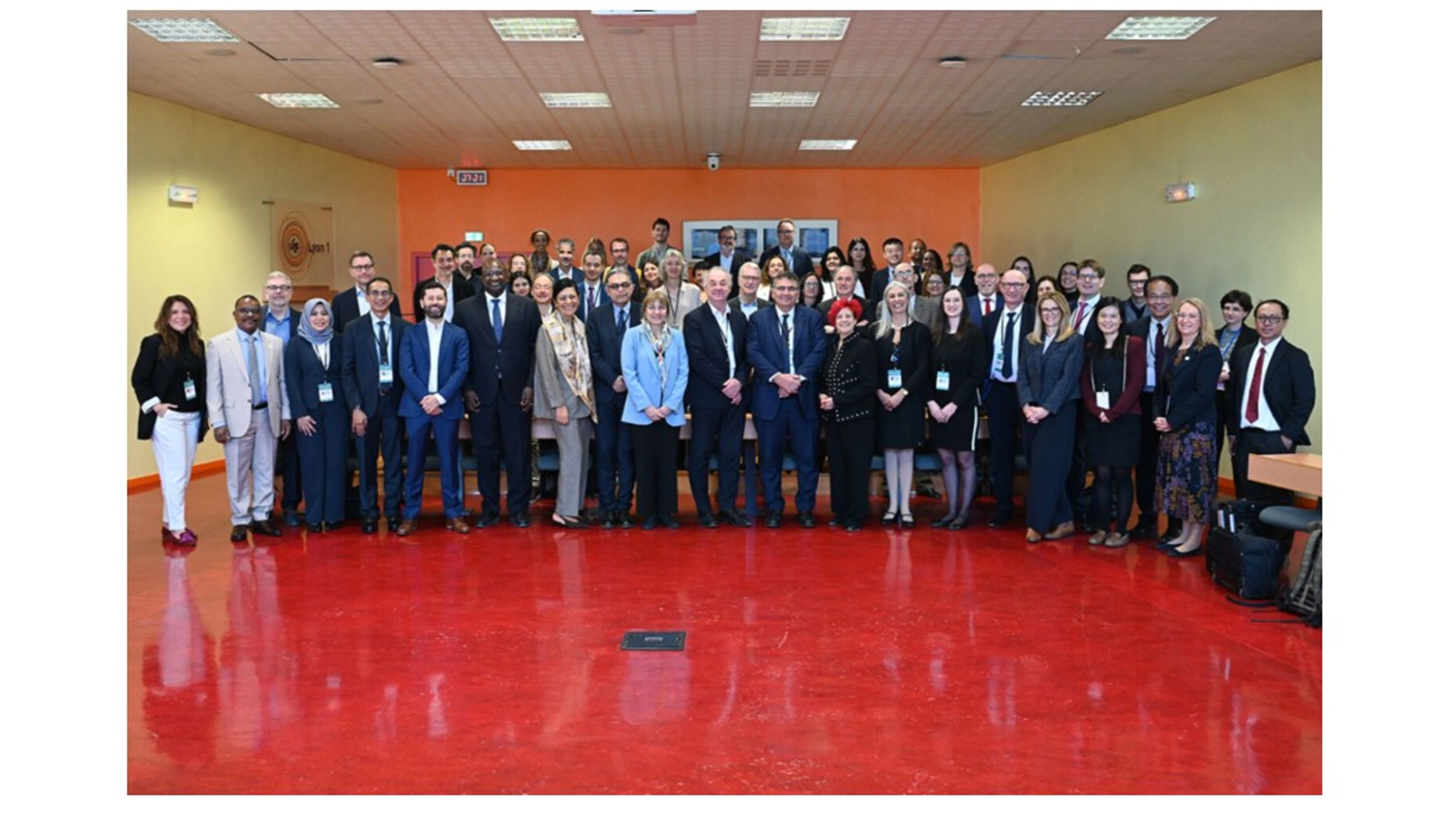
The roadmaps were launched at an event, co-hosted by ANRS Emerging Infectious Diseases, the Coalition for Epidemic Preparedness Innovations (CEPI), the WHO, and partners held during the One Health Summit in Lyon, France.
The event highlighted how a One Health and Pathogen Family-based approach can strengthen epidemic and pandemic preparedness, including through WHO’s Collaborative Open Research Consortia (CORCs), which bring together global research communities around priority viral families and core bacterial threats.
“CORCs are turning global scientific collaboration for pandemics into a more durable decentralized and inclusive R&D preparedness architecture,” said Dr Sylvie Briand, Chief Scientist of WHO. ”By organizing efforts around pathogen families and embedding One Health, we can better anticipate risks and accelerate the R&D of countermeasures before the next crisis. “WHO thanks the CORC leads for their invaluable scientific leadership and for coordinating the development of the Family R&D Roadmaps that we are launching today.”
Partners emphasized the importance of translating the Family R&D research roadmaps released today into concrete actions, to support faster responses to emerging threats, and even to meet CEPI’s goal of developing safe and effective vaccines in as little as 100 days.
“We don’t know what the next pandemic threat will be, or when it will strike,” said Dr Richard Hatchett, Chief Executive Officer at CEPI. “That’s why focusing on entire pathogen families can help us stay ahead of both known risks and emerging threats. That concept is at the heart of CEPI’s work, which aligns with and supports the World Health Organization CORCs. CEPI actively feeds into the CORC’s roadmaps to advance collaboration and target the viral families most likely to spark a pandemic, turning R&D priorities into real-world plans that stop outbreaks early.”
The event also showcased work led by ANRS Maladies infectieuses émergentes on the filoviridae family, illustrating how national and regional leadership can reinforce global preparedness.
“France is committed to advancing pandemic preparedness through science, solidarity and long-term partnership,” said Professor Yazdan Yazdanpanah, Director of ANRS Maladies infectieuses émergentes. “Work on entire pathogen families that global institutions are leading, among which the filoviridae roadmap coordinated by ANRS MIE, shows how national efforts can contribute to stronger international capacity to detect threats earlier and prepare more effectively.”
The CORCs Leads and other speakers at the event called for sustained political commitment, financing and international cooperation to maintain momentum behind One Health-informed R&D roadmaps and their implementation in countries and regions worldwide.
For further information on the new R&D roadmaps and the work of the CORCs, please visit the WHO website.
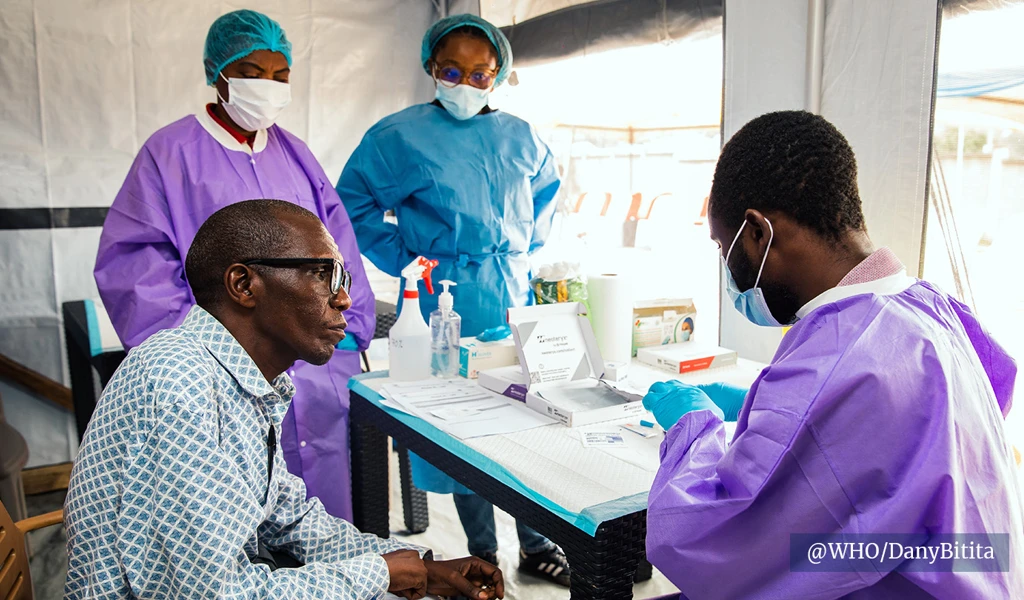
First participant vaccinated in pivotal Phase 2/3 Bundibugyo vaccine trial in DRC
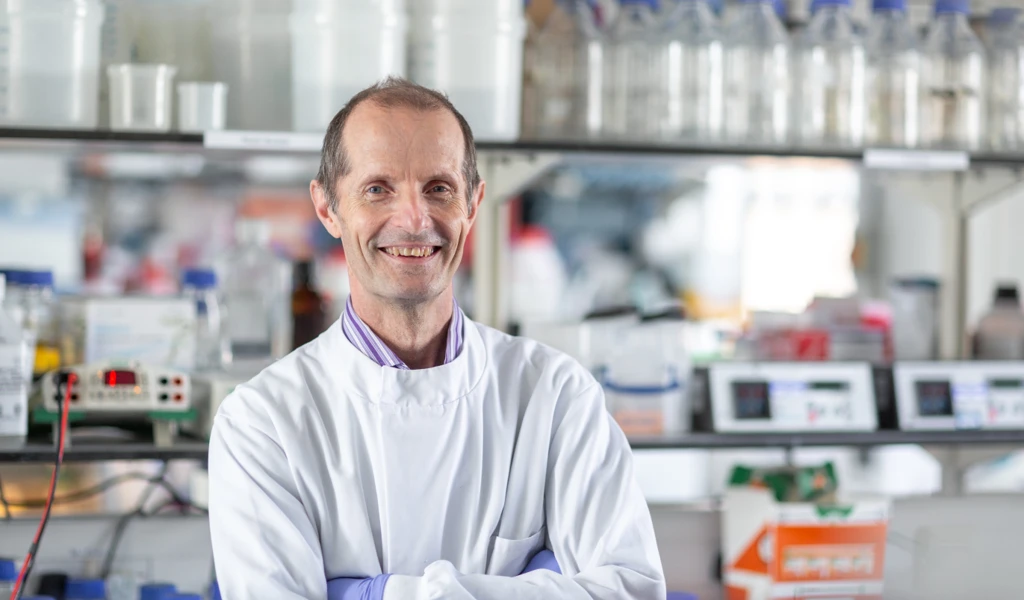
UK rabies vaccine trial could also unlock protection against Disease X
_Andreas%20Kravik%20(Norway)_Chris%20Elmore%20(UK)_Abnet%20Zeleke%20(Ethiopia)_Mamadou%20Ndiaye%20(Senegal)_Sept%2021_2026.webp)